Ideas
- Card game, every card has its own unique illustrated image.
- Make a board game aimed at either young adults or for a whole family.
- A series of paintings around one specific topic such as symbolism.
- Illustrate a book or poem such as T.S Eliot’s the wasteland.
- Make a booklet which has illustrations to accompany lyrics which I've decided are particularly poetic. Each booklet could focus on one musician or one album, or maybe one common theme.
- Make a comic book around certain ideas I’ve been kicking around for a good while now.
- Create a book with a flowing narrative, where the story is written after the paintings, so it becomes sort of like a creative endeavour similar to the ‘Story cubes’ game.
- Paintings of landscapes around penllyn which I could turn into calendars or postcards for the tourism industry.
- Illustrate and write down certain folklore stories from my area which seemingly as of now haven’t been yet written down or at the very least distributed on the web.
Research
For 50 minutes, Watched a video deconstructing an artistic indie horror film making waves in film festivals for how little it shows, how much it leaves to the imagination. I note it here as it made me wonder how one could Illustrate the feelings put across in the film, the helpless feeling of being in the dark and alone as a child.
I began thinking that maybe some sort of macabre board game about escaping unknown terrors in a dark house may be an interesting board game, or maybe a board game intended to genuinely scare the player.
I began thinking that maybe some sort of macabre board game about escaping unknown terrors in a dark house may be an interesting board game, or maybe a board game intended to genuinely scare the player.
For 21 minutes, I watched a video about some of the earliest known myths surrounding Britain, Since making art around British folklore and history was one of the things I was considering doing. These stories were very interesting and I'd never heard them before, having an interesting story of plotting and intrigue between nobles in ancient Greece and the appearance of Mancubi, demonic creatures.
For over 2 hours and 50 minutes, I watched a deconstruction of T.S Eliot’s The wasteland by two gentlemen who seem like knowledgeable and long-lasting admirers of the 20th century Modernist poet. While I'd already read the poem before, going through it again with thoroughness while also hearing other people’s interpretation felt like it breathed new interest and vitality into this poem for me and gave me more to ponder and work with.
For 25 minutes, I listened to T.S Eliot record him reading his own poem, until watching the other analysis of the poem I hadn’t realised that he’d done such a thing. It was interesting hearing him read it for himself.
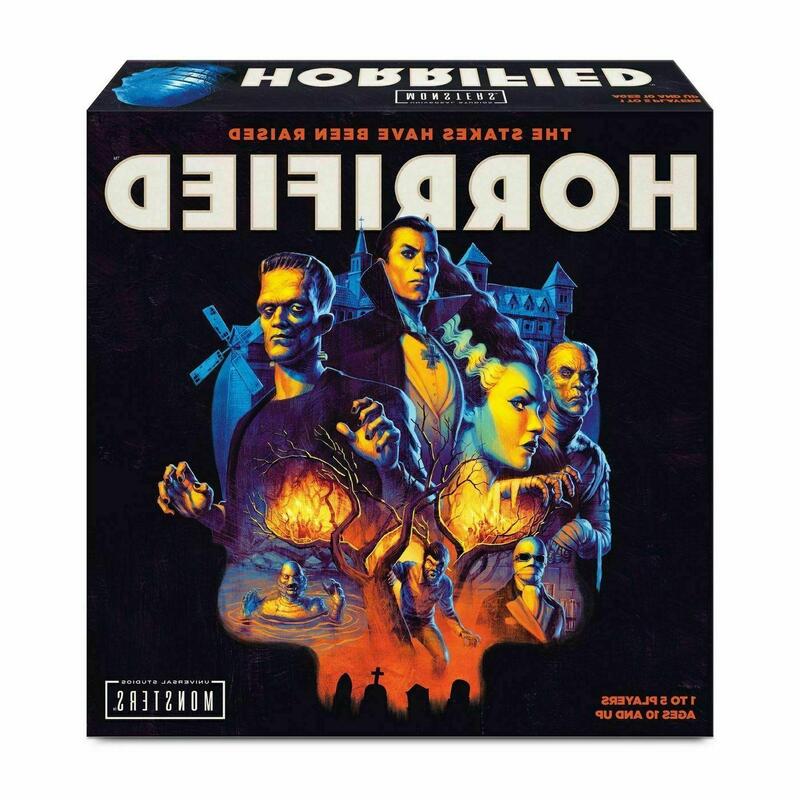
I was watching an old film from 1959 called ‘The 7th voyage of Sinbad’. This made me wonder if some sort of game where you fight these old 1950s style monsters would be fun. I'd seen in waterstones a few days prior that there was a board game there named “Horrified”. Which is a game where players must work together against classic horror movie monsters.
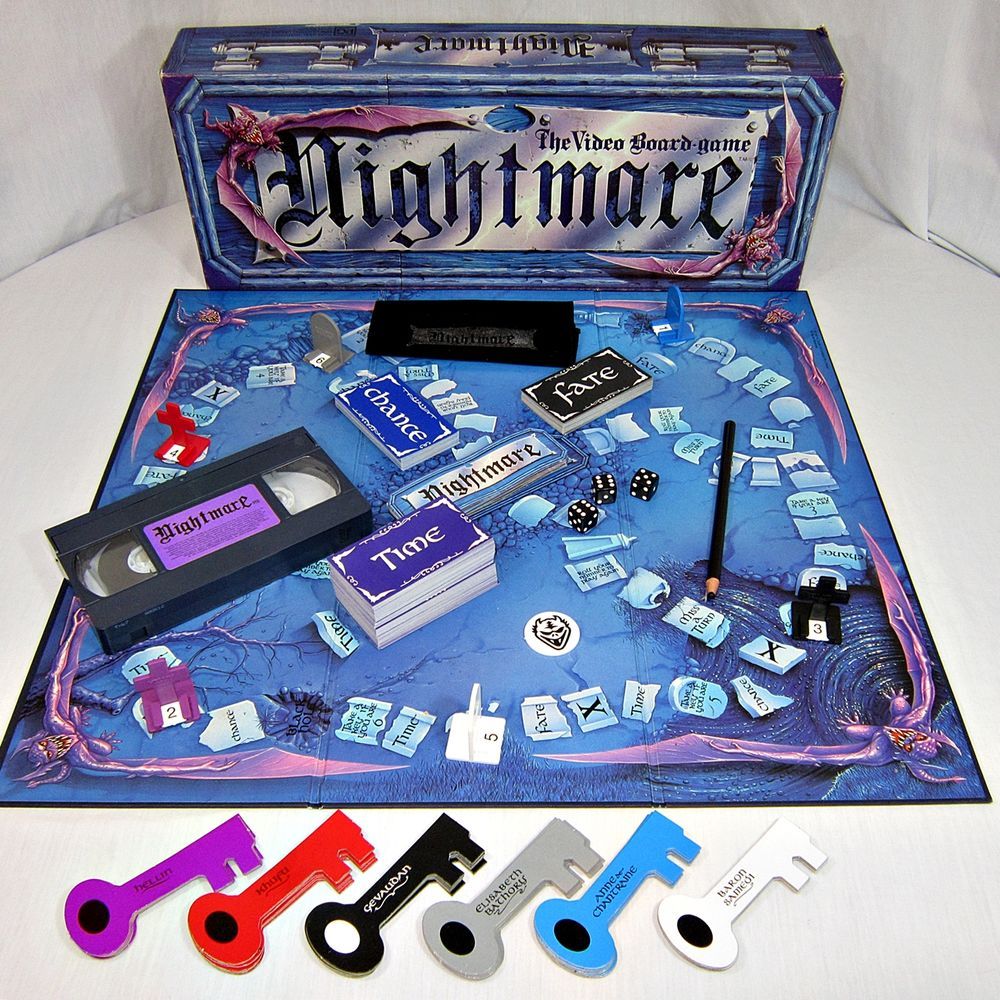
While looking for details about the game ‘Horrified’ which I spotted in the shop, I came by pure chance upon a strange board game which had a VHS with it. The game was called ‘Atmosfear’ in some releases and ‘Nightmare’ in others. This VHS would play as you played the game and would command the game in different ways while adding to a strange and uncomfortable atmosphere. I very much am intrigued by this idea. I don’t know if I could do anything professional video-wise with this research, but it’s certainly on the backburner and rolling around in my mind as I try to come up with ideas on how to implement some of its successes.
For 2 hours and over 40 minutes I watched this video where an academic and two artists / art columnists / critics discuss the nature of modern art, its political dimension. Whether or not anything traditional can be done with modern art, which is to say is it a mode or medium which those who wish to preserve old values, customs and ways of being are able to speak through without contradicting themselves? It went over a very large scope of modernism with interesting detail. Challenged my ways of thinking a lot and definitely brought me to a more sympathetic view of many of the modernists, even if still at my core i have my reservations still about modernism.
For 2 hours, then re-listened to it again for another hour. I listened in audiobook format to Homer’s The Iliad, i thought when it came to writing any poetry or writing in general for this task it may help, as well as since I’d looked into British folklore with greek roots, I thought returning to some original mythological poems from greece would maybe shake the proverbial coconut tree and give me some ideas. How useful it was with my time is yet to be seen but may play a larger role with time, it did make me think of a lot of different compositions in my head and these very pictorial scenes which I could paint.
I watched this video of Vincent van Gogh paintings, just very quickly. I thought it was worth noting that I'd really picked up looking at some of these just how fast he must’ve worked. While looking up how many paintings he made, I was staggered to discover how prolific he was and that he must’ve painted around 2 or 3 paintings everyday. Reading about that really made me want to work a lot faster.
much like a previous project I completed: I wanted to incorporate some form of written element into this project, the scope of this is yet to be seen. Considering how much illustration is entwined with writing, it seems like a natural step to turn to writers for consultation just as much as visual artists if I plan on writing. I watched this video for 4 minutes on the topic of how writers come up with ideas, which comes down to always thinking in terms of writing, constantly gathering inspiration from the world around you and setting achievable goals.
I also watched this video for 10 minutes for the same reason as the last. I had the thought during this video that some authors may have very different approaches to others, and while this approach may help these people, it may not help me. I may have my own method. There was however a humbling and pessimistic message in this video which is essentially “You will suck at first”. It’s always very true, to be a master you must be willing to first be the fool.
I watched this video for an hour, where an author talks about his influences for his upcoming book ‘the prophets of doom’ where in it discusses philosophers who held a pessimistic and cyclical view of history, as opposed to a linear and/or progressive view of history. One of the names most highly praised in this video is ‘Oswald Spengler’.
For 1 hour, 30 minutes, I was listening to Oswald Spengler’s decline of the west, considering illustrating it. I was thinking about how he’s a very poetic writer and how visuals may make it more interesting and accessible to more audiences. The book was very important and a bestseller in the 20th century. A lot of Oswald Spengler’s predictions bore fruit and were accurate. The illustration of a philosophy book would be very unusual and strange, it may however be an interesting endeavour.
I listened to some poems by a contemporary of T.S Eliot. His work is however with the public domain so it makes so that if I were to illustrate T.E Hulme’s work I could actually put it to print and sell it. I however didn’t really click with his work as much, within my head I couldn’t see any images of interest. Although, now upon consulting my previous research and notes, I can see within my mind’s eye van Gogh style images of landscapes and people walking through fields.
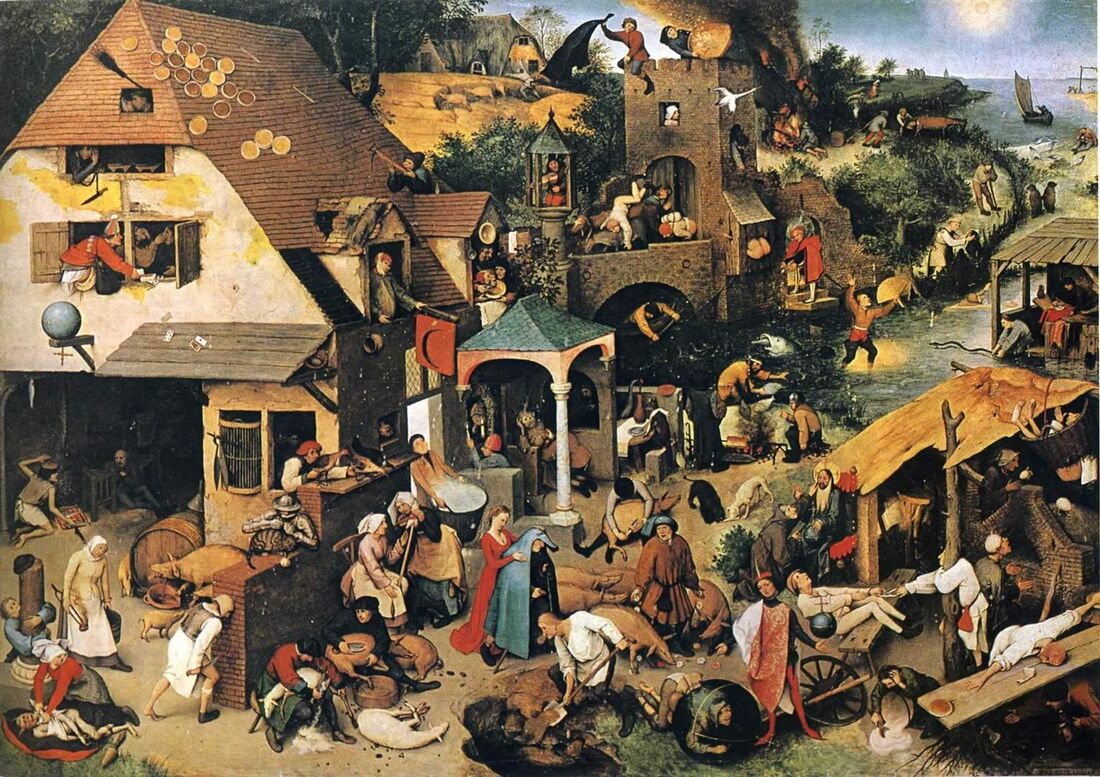
For 16 minutes I watched this video on all of the symbolism within a Pieter Bruegel painting., specifically about Netherlandish proverbs which are illustrated in this large beautiful oil painting. It made me consider fresh new avenues for what the contents and symbolism of my work could revolve around, as I hadn’t realized how interesting these proverbs can look while illustrated, As I’m welsh, I could do something similar relating to Welsh proverbs as there are very many in welsh too! In fact, I should list them here as I dwell on it and throw the idea around in my head.
Welsh Idioms
O lygad y ffynon
Mynd o flaen gofid
Ar bigau’r drain
Rhoi’r Ffidil yn y to
Llyncu mul
Fel bol bywch
Cysgu fel ci bwtsiwr
Nefoedd wen
Iesu bach a mawr
Diafal yn talu’n ol
Fel rhech mewn pot jam
Fel chneifio mochyn, lawer o dwrw, ychydig o wlan
Gwep fel wythnos wlyb
Bwrw hen wragedd a ffyn
Traed fel chwarter i dri
Trefn yr iar ddu
Siarad fel melin bupur
Codi pais ar ol pisio
Enill ar y menyn, colli ar y caws.
Fel chwys plismon
Man a man y mwnci
Gwell gweld pen buwch na cwmffon tarw
Angel pen ffordd, Diawl pen Pantan
"A fo ben, bid bont" - If you want to be a leader, be a bridge
"Bûm gall unwaith - hynny oedd, llefain pan ym ganed" - I was wise once: when I was born I cried
"Cenedl heb iaith, cenedl heb galon" - A nation without a language is a nation without a heart
"Deuparth gwaith yw ei ddechrau." - Starting the work is two thirds of it
"Dyfal donc a dyr y garreg" - Tapping persistently breaks the stone
"Digrif gan bob aderyn ei lais ei hun" - Every bird relishes his own voice
"Dywed yn dda am dy gyfaill, am dy elyn dywed ddim" - Speak well of your friend; of your enemy say nothing
"Eang yw'r byd i bawb." The world is wide to everyone
"Gwna dda dros ddrwg, uffern ni'th ddwg" - Repay evil with good, and hell will not claim you
"Gwell dysg na golud" - Better educated than wealthy
"Gwell fy mwthyn fy hun na phlas arall" - Better my own cottage than the palace of another
"Gorau prinder, prinder geiriau" - The best shortage is a shortage of words
"Gorau Cymro, Cymro oddi Cartref" - Best Welshman, Welshman from Home
"Gorau adnabod, d'adnabod dy hun." - The best knowledge is to know yourself
"Hedyn pob drwg yw diogi" - The seed of all evil is laziness
"Heb ei fai, heb ei eni" - He who has no faults is not born
"Hir yw pob ymaros" - All waiting is long
"Nid aur yw popeth melyn" - Everything that is yellow is not gold
"Nerth gwlad, ei gwybodaeth" - The strength of a nation is its knowledge
"Teg yw edrych tuag adref." - It is good to look homewards
"Tri chysir henaint: tân, te a thybaco" - Three comforts of old age: fire, tea and tobacco
"Tyfid maban, ni thyf ei gadachan" - The child will grow, his clothes will not
"Yr hen a ŵyr a'r ieuanc a dybia" -The old know and the young suspect
"Y mae dafad ddu ym mhob praidd" - Every flock has its black sheep
"Mae tegell yn ferwi and ty'n barod." - The kettles boiling and I'm ready.
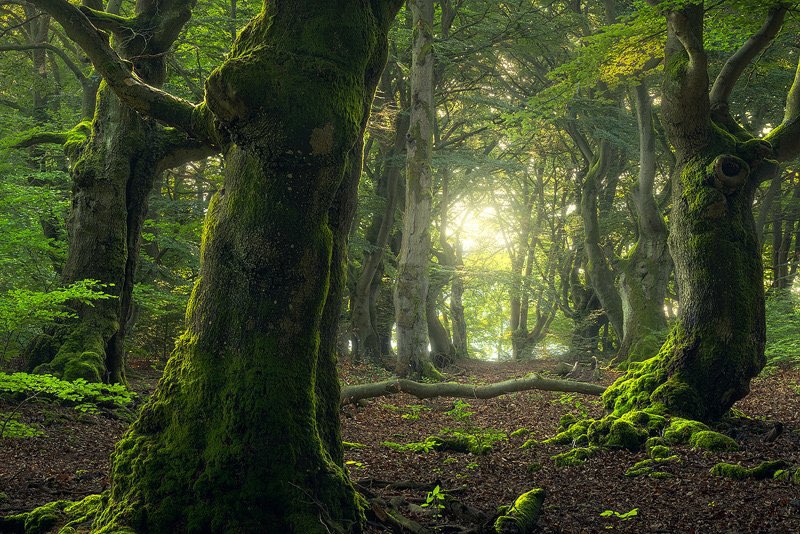
"Dod yn ôl at fy nghoed" - To return to my trees - to relax and unwind, to calm your mind
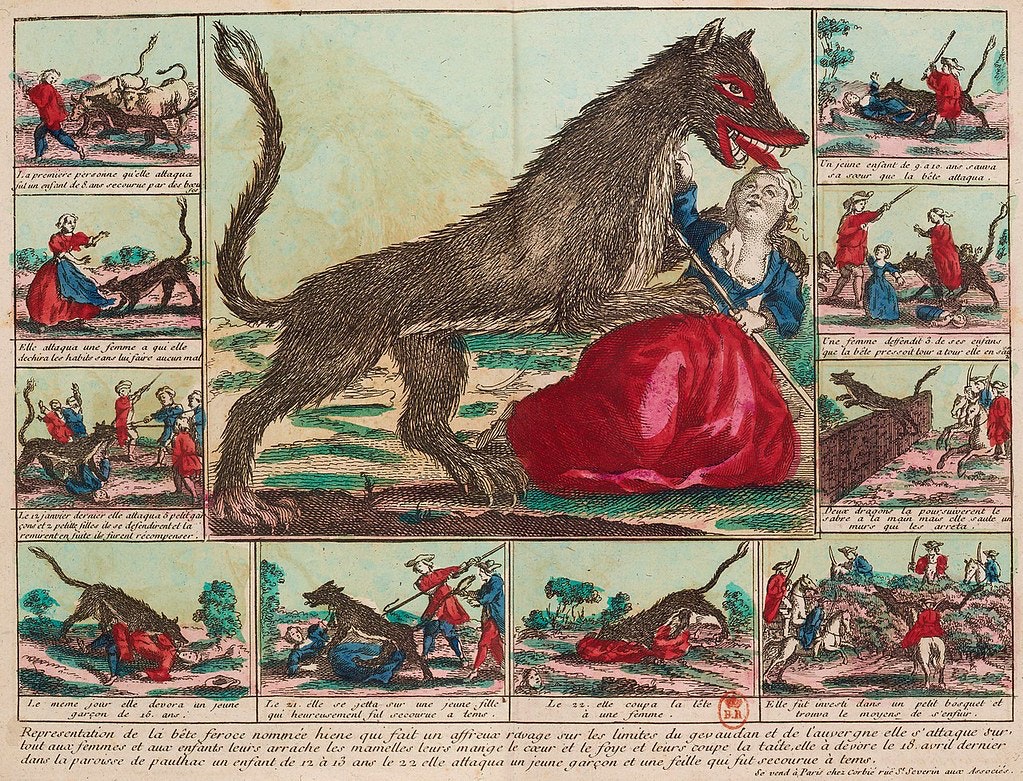
One piece of research has branched out into other smaller branches of research, while curiously looking up footage for the ‘Nightmare’ video games, I saw the player characters all had names, some of these names striked me as being quite strange. Such as “Gevaudan” for a werewolf looking figure.
Turns out in the 1700s, the Gevaudan region of France was terrorised by what was said to be a werewolf, known at the time simply as “The beast of Gevaudan”. Some of the old fashioned illustrations for this look very cool. Reading about a mixture of the historical accounts which seems to have genuinely had some truth to it as between 30 - 100 people were killed by creatures at this time, and 600 in total were attacked, citing this creature. But then there are oral traditions and exaggerations from figures like Henri Pourrat which make the tale a very interesting one.
Mynd o flaen gofid
Ar bigau’r drain
Rhoi’r Ffidil yn y to
Llyncu mul
Fel bol bywch
Cysgu fel ci bwtsiwr
Nefoedd wen
Iesu bach a mawr
Diafal yn talu’n ol
Fel rhech mewn pot jam
Fel chneifio mochyn, lawer o dwrw, ychydig o wlan
Gwep fel wythnos wlyb
Bwrw hen wragedd a ffyn
Traed fel chwarter i dri
Trefn yr iar ddu
Siarad fel melin bupur
Codi pais ar ol pisio
Enill ar y menyn, colli ar y caws.
Fel chwys plismon
Man a man y mwnci
Gwell gweld pen buwch na cwmffon tarw
Angel pen ffordd, Diawl pen Pantan
"A fo ben, bid bont" - If you want to be a leader, be a bridge
"Bûm gall unwaith - hynny oedd, llefain pan ym ganed" - I was wise once: when I was born I cried
"Cenedl heb iaith, cenedl heb galon" - A nation without a language is a nation without a heart
"Deuparth gwaith yw ei ddechrau." - Starting the work is two thirds of it
"Dyfal donc a dyr y garreg" - Tapping persistently breaks the stone
"Digrif gan bob aderyn ei lais ei hun" - Every bird relishes his own voice
"Dywed yn dda am dy gyfaill, am dy elyn dywed ddim" - Speak well of your friend; of your enemy say nothing
"Eang yw'r byd i bawb." The world is wide to everyone
"Gwna dda dros ddrwg, uffern ni'th ddwg" - Repay evil with good, and hell will not claim you
"Gwell dysg na golud" - Better educated than wealthy
"Gwell fy mwthyn fy hun na phlas arall" - Better my own cottage than the palace of another
"Gorau prinder, prinder geiriau" - The best shortage is a shortage of words
"Gorau Cymro, Cymro oddi Cartref" - Best Welshman, Welshman from Home
"Gorau adnabod, d'adnabod dy hun." - The best knowledge is to know yourself
"Hedyn pob drwg yw diogi" - The seed of all evil is laziness
"Heb ei fai, heb ei eni" - He who has no faults is not born
"Hir yw pob ymaros" - All waiting is long
"Nid aur yw popeth melyn" - Everything that is yellow is not gold
"Nerth gwlad, ei gwybodaeth" - The strength of a nation is its knowledge
"Teg yw edrych tuag adref." - It is good to look homewards
"Tri chysir henaint: tân, te a thybaco" - Three comforts of old age: fire, tea and tobacco
"Tyfid maban, ni thyf ei gadachan" - The child will grow, his clothes will not
"Yr hen a ŵyr a'r ieuanc a dybia" -The old know and the young suspect
"Y mae dafad ddu ym mhob praidd" - Every flock has its black sheep
"Mae tegell yn ferwi and ty'n barod." - The kettles boiling and I'm ready.
"Dod yn ôl at fy nghoed" - To return to my trees - to relax and unwind, to calm your mind
One piece of research has branched out into other smaller branches of research, while curiously looking up footage for the ‘Nightmare’ video games, I saw the player characters all had names, some of these names striked me as being quite strange. Such as “Gevaudan” for a werewolf looking figure.
Turns out in the 1700s, the Gevaudan region of France was terrorised by what was said to be a werewolf, known at the time simply as “The beast of Gevaudan”. Some of the old fashioned illustrations for this look very cool. Reading about a mixture of the historical accounts which seems to have genuinely had some truth to it as between 30 - 100 people were killed by creatures at this time, and 600 in total were attacked, citing this creature. But then there are oral traditions and exaggerations from figures like Henri Pourrat which make the tale a very interesting one.
I found another video on Pieter Bruegel which delves into more art which acknowledges the routines of the peasant class in his contemporary era. This video specifically goes into detail the symbolism and interesting history behind a scene depicting a wedding. Many subtleties take center stage as well as do broader historical contexts which would otherwise be lost on me since our time is so alien. Video length elapsed 5 minutes. But within that runtime it did give me many different ideas and a deepening interest in depicting my own native culture. Either our folklore or our daily routines. Less so because I expect it to specifically be of interest to people now, but because it may be of interest to people in the future.
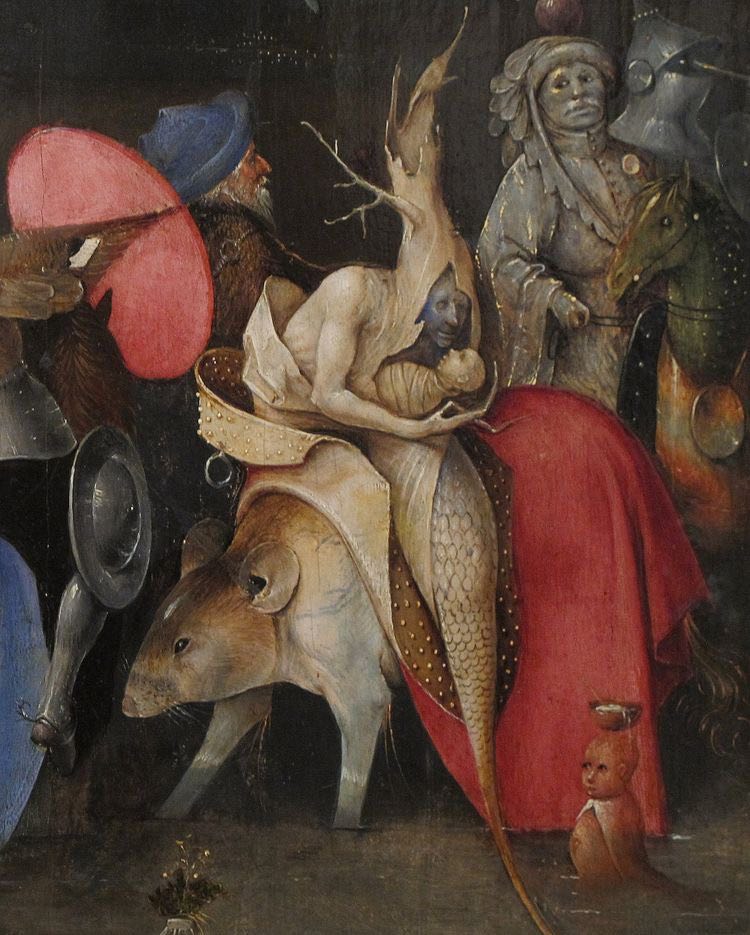
In this 27 minute video, I learn of some of the historical differences between Hieronymus Bosch and Pieter Bruegel. How Pieter Bruegel must’ve feared the unknown that was America, and how the Europeans must’ve viewed the Americas as monstrous. It made me think more about what is the frontier in my time, how can i creatively depict that as a grand narrative of good and evil with such a creative and playful beauty. Maybe for such a work I could involve new discoveries. As hundreds of new creatures and plants are discovered every year.
An 8 minute video I watched goes into a very dark and melancholy Bruegel that deals likely with the horrors he witnessed first hand of a plague raviging Italy known as ‘the sweating sickness’ when he was travelling in the area. It’s beautiful how the there’s a king dying and losing in the image, since such imagery at the time would’ve been viewed as pessimistic
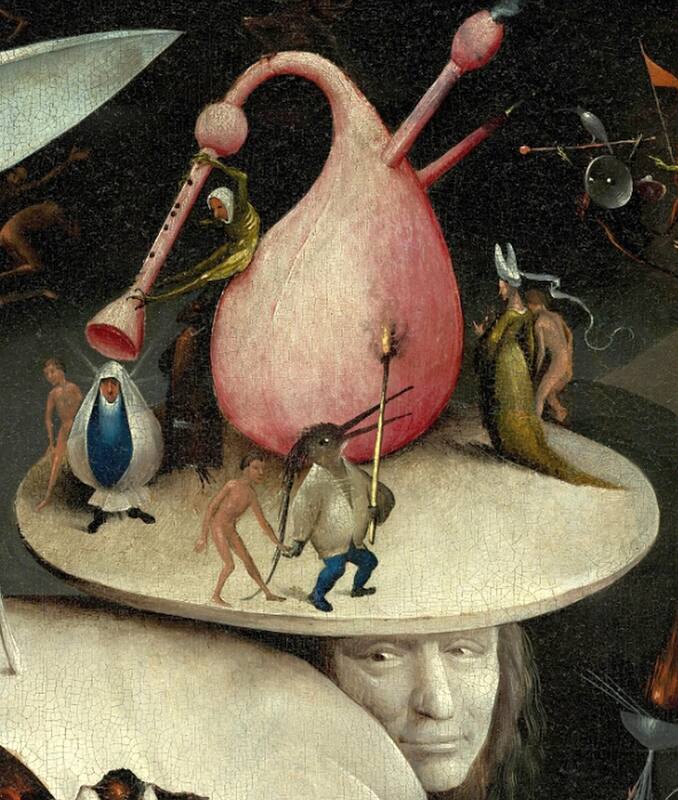
, dark and unusual. We see a full zombie apocalypse of intelligent and malicious undead which make traps, ride horses and even wear the masks of humans to trick them. They even play instruments. I think this pushed me further to embrace notes of pessimism in my work, and gave me ideas related to emotional drama. Very strongly in this painting can I get lost and root for the side of the living and despair at their defeat.
, dark and unusual. We see a full zombie apocalypse of intelligent and malicious undead which make traps, ride horses and even wear the masks of humans to trick them. They even play instruments. I think this pushed me further to embrace notes of pessimism in my work, and gave me ideas related to emotional drama. Very strongly in this painting can I get lost and root for the side of the living and despair at their defeat.
For 3 minutes I watched a dark, black and white re-telling of a surreal popular Simpsons clip called ‘Steamed hams’. This time it was performed as a silent German expressionist film. I love so deeply the brooding and haunting nature innate to it, even in the context of it being for a comedy. I think I’ll take notes of this as stylistic influence as these darkly powerful and murky shadows feel evocative of dread.
On the same note as the last, also within this 3 minute clip illustrates another lovely black and white film, this one of more sophisticated taste: The Tragedy of Macbeth released in 2021 which has beautiful black and white cinematography. The approach in this film seems to be to simplify and make these clean and simple shapes which highlights the other great power of monochrome and that is its elegance through clarity and simplicity.
I listened to this 13 minute video about art born from the unconscious mind. I found it a useful refresher into the topic of art which explicitly tried to function below the conscious mind, below all reason. To transcend the logical mind to some deeper part of the self. It wasn’t anything I was unfamiliar with but did revive a sparking interest in Carl Jung.
Spurred by the last video cited, I listened to this Audiobook of Carl Jung’s ‘On life after death’ for 1 hour and 12 minutes.
Jung believed very disturbing things about visions and dreams and the afterlife.
He very much believed dreams and visions were proof of the afterlife and many times had very specific visions. On a train he saw a boy drown in his mind, He then got home and was told his son almost drowned.
He dreamed of a pale woman rising from a void in a bed next to him, the next morning at the moment of the dream, they’d heard that a cousin on his wife’s side had died. He described this as the unconscious being able to look around corners. He described these experiences as countless and so prolific that only the stubbornly ignorant would doubt them.
He said the natural thing to do is to gather as much information from reputable sources and traditions to form some form of hypothesis, even if this hypothesis could never be tested by scientific means.
A 60 year old student of his had visions she was in a classroom, then she realized that she was the tutor. She subsequently noticed that all the students looked like her dead relatives or dead friends. She died shortly after relaying this story to Jung.
Jung would be asked multiple times throughout his life by people in his dreams he knew to be dead, deep and fascinating questions, that embarrassed him so deeply he didn’t know the answer to, that he woke up. He woke up from embarrassment
He then would work away at his books hoping to find answers that would suffice these forgotten questions from his dreams
The information he gathered from his experience and his students was that opposed to Christian tradition, that the afterlife does not hold unlimited knowledge, but instead they have no more knowledge than when the soul died. And so they wait eagerly for their descendants and friends to die, to learn from their lives and their secrets with burning anticipation and curiosity.
He said that he always feels these undead are like a presence watching over him, Very scary stuff.
He saw in his dreams - friends who were incurious and ordinary in life, being spoken to in dreams by their daughters about psychology, and being enraptured and fascinated so deeply, that they waved Carl Jung away almost as if to say “don’t interrupt them, this is good”.
Likewise Jung would wake up at night and feel like he spent entire days with his deceased wife in southern France, where she continued even in death to learn about the holy grail.
This dream gave Jung so much fulfilment, that even in death his wife continued to learn and pursue her goals.
I wonder what my ancestors would be doing if this is all true.
I feel like my ancestors would be sitting around the high hills of Blaenau, smoking pipes while reading fantasy books and really detailed books on the geological makeup of the hills, maybe while fishing.
Jung believed very disturbing things about visions and dreams and the afterlife.
He very much believed dreams and visions were proof of the afterlife and many times had very specific visions. On a train he saw a boy drown in his mind, He then got home and was told his son almost drowned.
He dreamed of a pale woman rising from a void in a bed next to him, the next morning at the moment of the dream, they’d heard that a cousin on his wife’s side had died. He described this as the unconscious being able to look around corners. He described these experiences as countless and so prolific that only the stubbornly ignorant would doubt them.
He said the natural thing to do is to gather as much information from reputable sources and traditions to form some form of hypothesis, even if this hypothesis could never be tested by scientific means.
A 60 year old student of his had visions she was in a classroom, then she realized that she was the tutor. She subsequently noticed that all the students looked like her dead relatives or dead friends. She died shortly after relaying this story to Jung.
Jung would be asked multiple times throughout his life by people in his dreams he knew to be dead, deep and fascinating questions, that embarrassed him so deeply he didn’t know the answer to, that he woke up. He woke up from embarrassment
He then would work away at his books hoping to find answers that would suffice these forgotten questions from his dreams
The information he gathered from his experience and his students was that opposed to Christian tradition, that the afterlife does not hold unlimited knowledge, but instead they have no more knowledge than when the soul died. And so they wait eagerly for their descendants and friends to die, to learn from their lives and their secrets with burning anticipation and curiosity.
He said that he always feels these undead are like a presence watching over him, Very scary stuff.
He saw in his dreams - friends who were incurious and ordinary in life, being spoken to in dreams by their daughters about psychology, and being enraptured and fascinated so deeply, that they waved Carl Jung away almost as if to say “don’t interrupt them, this is good”.
Likewise Jung would wake up at night and feel like he spent entire days with his deceased wife in southern France, where she continued even in death to learn about the holy grail.
This dream gave Jung so much fulfilment, that even in death his wife continued to learn and pursue her goals.
I wonder what my ancestors would be doing if this is all true.
I feel like my ancestors would be sitting around the high hills of Blaenau, smoking pipes while reading fantasy books and really detailed books on the geological makeup of the hills, maybe while fishing.
I watched a 33 minute video on AI art and how it could potentially change the landscape of the industry as a whole. I don’t think there is any constructive reaction I can really have to it. My eggs are all firmly put into the art basket, I’ll keep doing what I'm doing. I won’t pursue any sort of AI assistance throughout this project, I don’t even know where that would stand within the boundaries of this course.
I watched this 24 minute video on Richard Dadd. Who was a fantastic fantasy artist who made very beautiful and fairy-esque art that I love, it also inspired some of my favourite Queen songs from their 1974 Album: Queen II. Where one song is called: “The fairy feller’s Master Stroke”.
I watched this 9 minute video on the art of mentally ill people, leading me to believe that Richard Dadd couldn’t have consistently at the bare minimum been mentally ill, or fully mentally ill, as his artwork was far too consciously aware and observant to even compare with any of the work displayed in this video. Despite being a badly tempered man.
I also watched this video 19 minutes in length which looks at the artwork of a man who’s mental faculties were gradually being eroded before his suicide.
I watched a 6 minute video on Giuseppe Acrimboldo and was very inspired by the creativity displayed specifically in his works where he Illustrates the four elements as portraits. Some of his work seems funny, but there is a real charm in a lot of them. If I can think of ways of implementing it without making it look like the talking teacups from Beauty and the beast waltzed into a Bosch painting, then I’d be wise to consider some experimentation with it.
An excellent 2 minute video by the Tate gallery that spotlights someone’s enthusiasm for Richard Dadds lesser appreciated scenes which take place across the Levant and Africa. Always lovely to hear enthusiastic voices in favour of much detail in works of art, I personally am very drawn to this approach and I felt myself mirroring the speaker’s sentiments.
A 7 minute video I watched on the tonalists since I began wondering how to best paint moody skies. The tonalists painted fascinating and breathtaking landscapes so it was well worth coming to understand this American landscape art movement.
I watched a further 8 minutes on tonalism from the same channel as the last video I cited, since this video went into greater detail on how the tonalists achieved their looks from a technical perspective I could apply to my own work.
Video essay which argues for 16 minutes why there should be standards of beauty within art and why these standards must be upheld. Why letting these instinctive reactions be disregarded is evil and will weaken our society. Very compelling and refreshingly well argued video.
A video 49 minutes in length on Oscar Kokoschka, an artist from the Vienna secessionist movement I'd somehow never come across, considering the previous research I’d had, I certainly went into this with a very negative opinion once I gathered what his art looked like. I think I may agree with the quote featured by Franz Ferdinand when he said that someone should break every bone in Kokoschka’s body.
Coming back to the idea of board games, I watched this interesting video for 55 minutes which is a board game that’s designed to be as annoying and tedious as possible, which is actually very funny and interesting to me. Making a sort of anti-board game seems like a very postmodern endeavour. While this example is an online game, it would be very surreal and amazing to have a beautifully illustrated one for actual real life play
I watched this video for 10 minutes about a Catholic talking about his views on art. This dissuaded me from some of the more postmodern ideas I had in my mind.
I watched a 30 minute video on the paintings of Ken Currie. His busy and horrific artworks make me incredibly uncomfortable, the color palette which he uses to describe and detail medical scenes feel like they’re taken from one of the hell panels of Hieronymus Bosch, ultra sinister and evil. While I like the idea of making dark paintings, I don't want to make art that actively turns my stomach whenever I look upon it, the balance I wish to achieve must be a very different one.
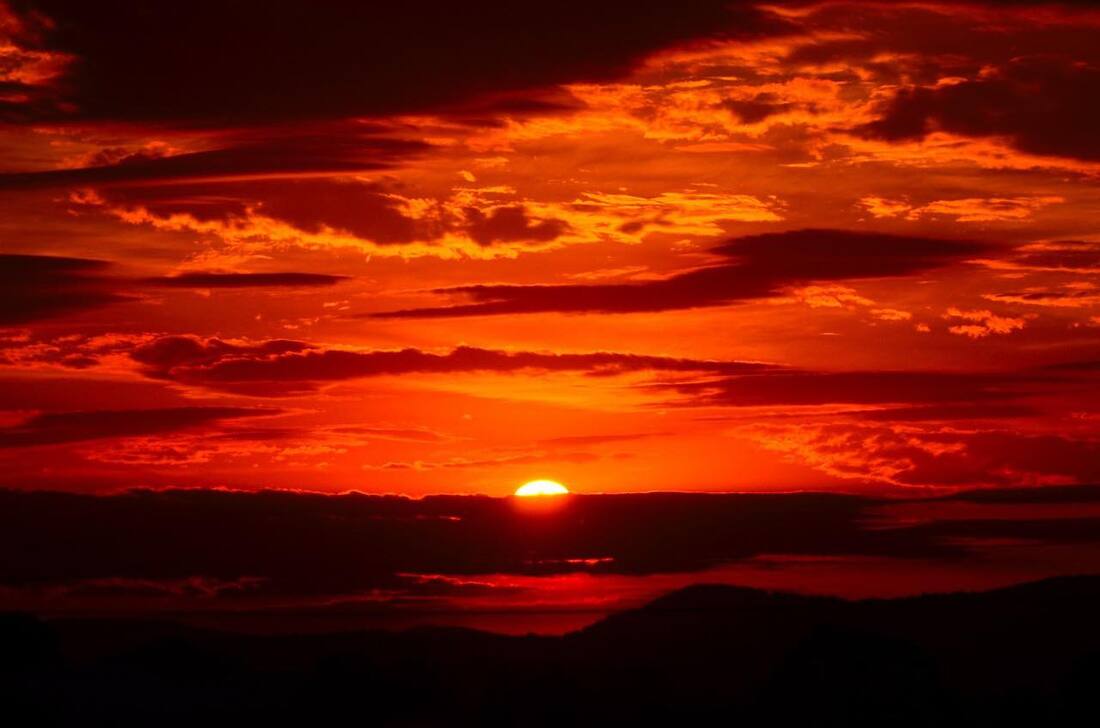
For 28 minutes I watched this video on the paintings of Paul Henry, which may or may not be able to be utilised in this project. It inspired me to paint rural landscapes especially around where I live. To paint misty blue vistas and overcast skies. Considering by this point in the project I've ruled-out the calendar idea as being too un-illustrator-like to catch any good grades, the utilisation of this research may take on a less straightforward form, as I instead try to keep in mind his love for tone.
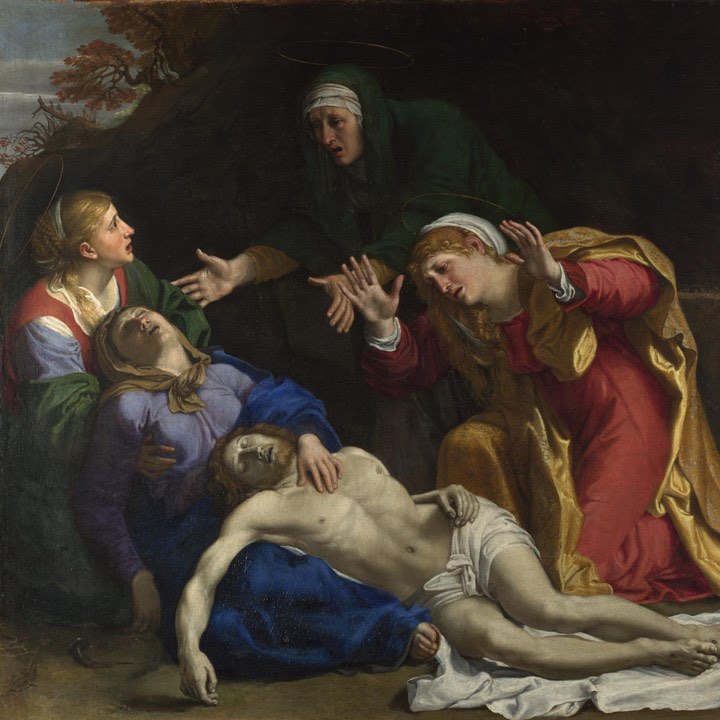
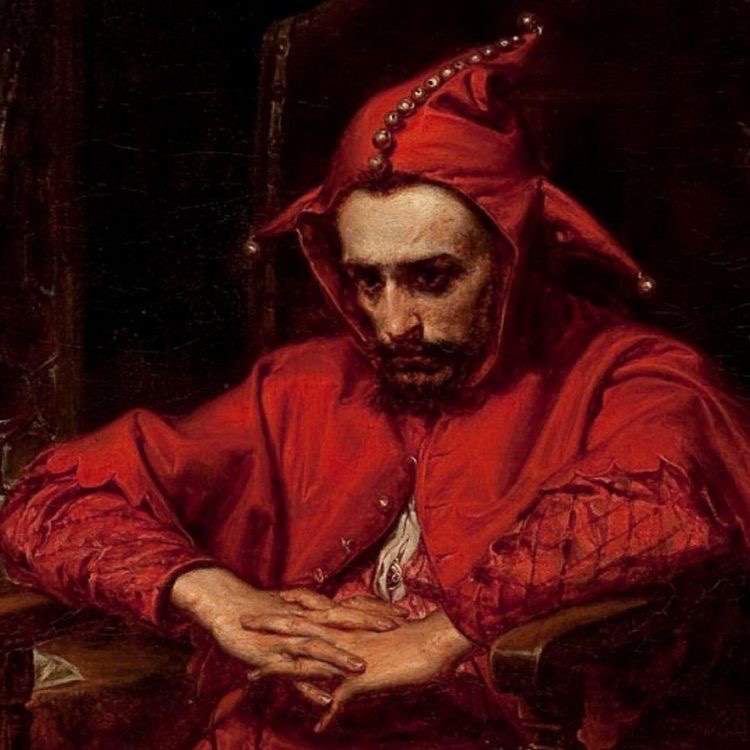
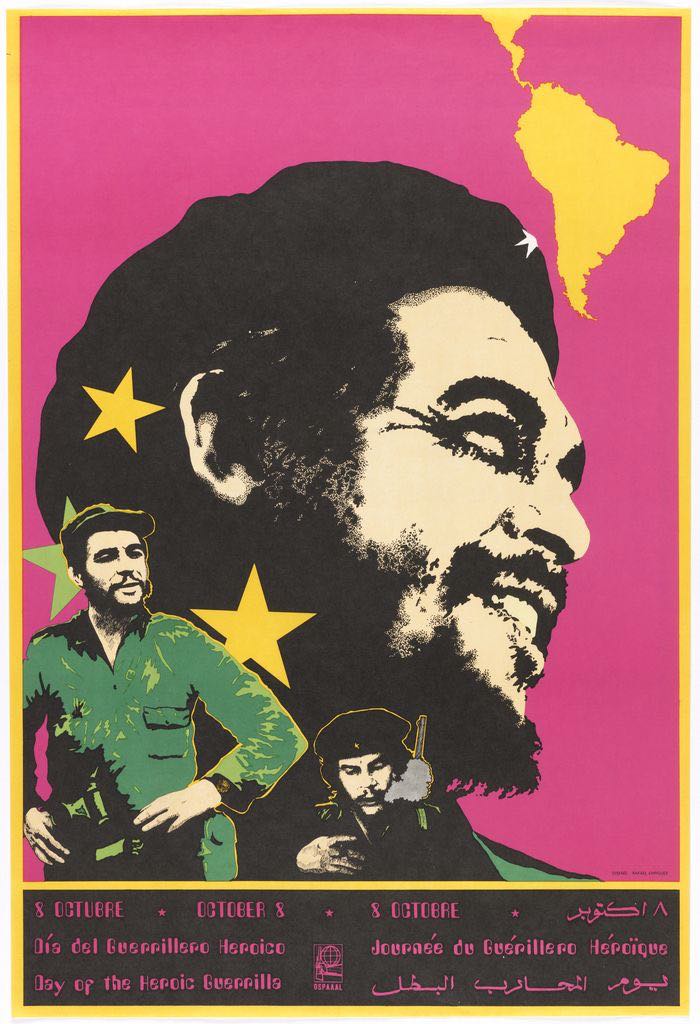
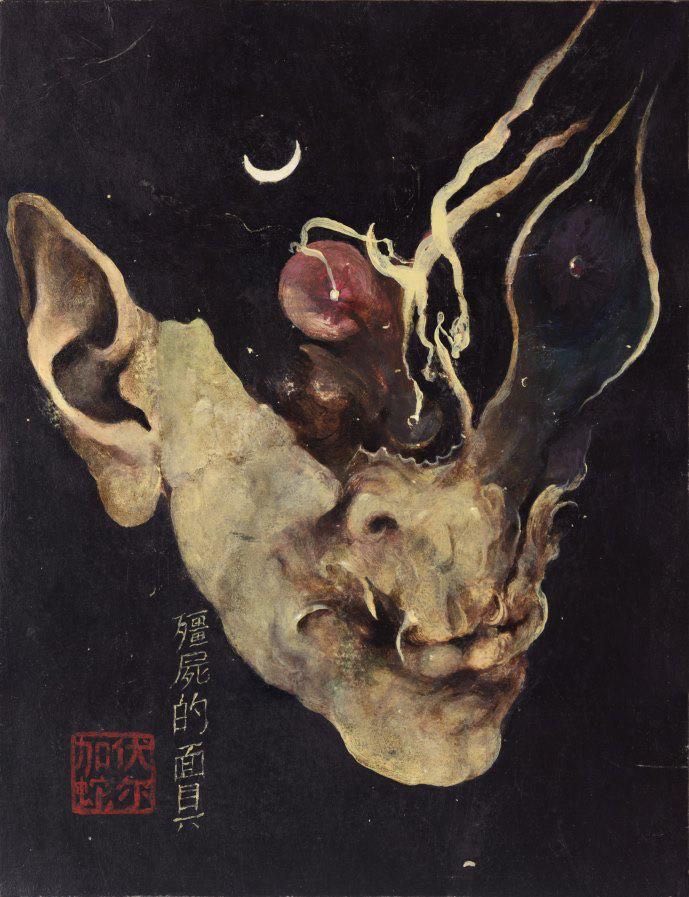
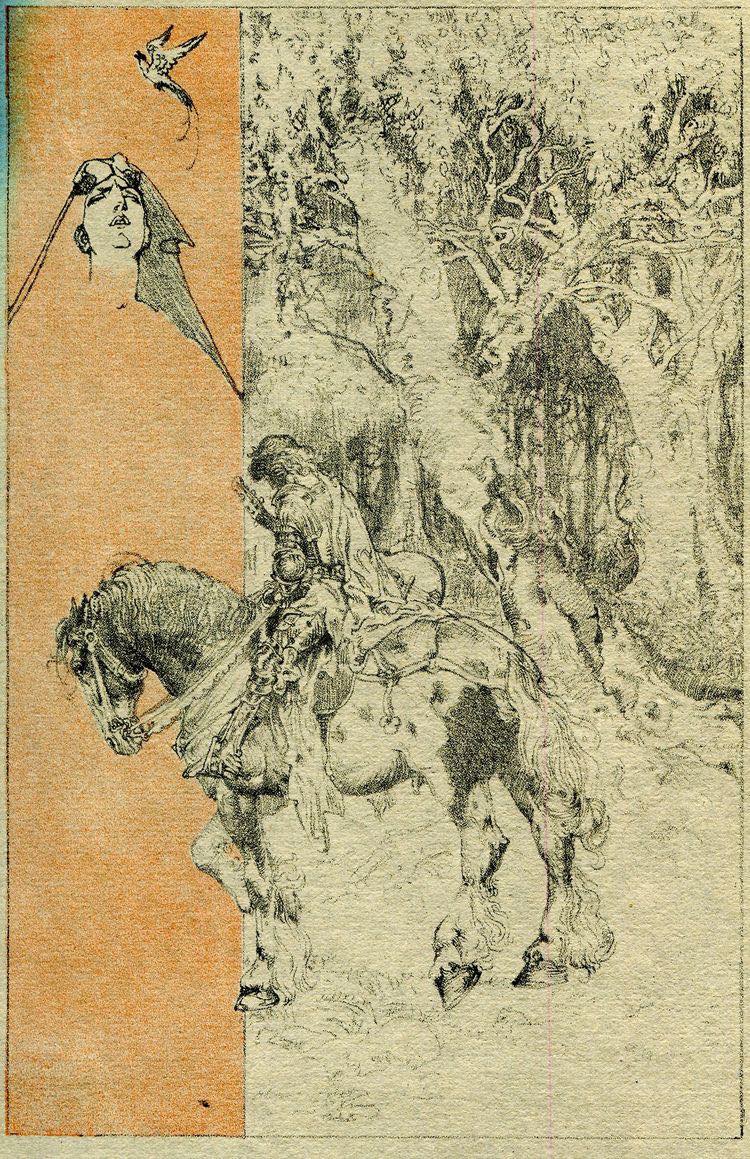
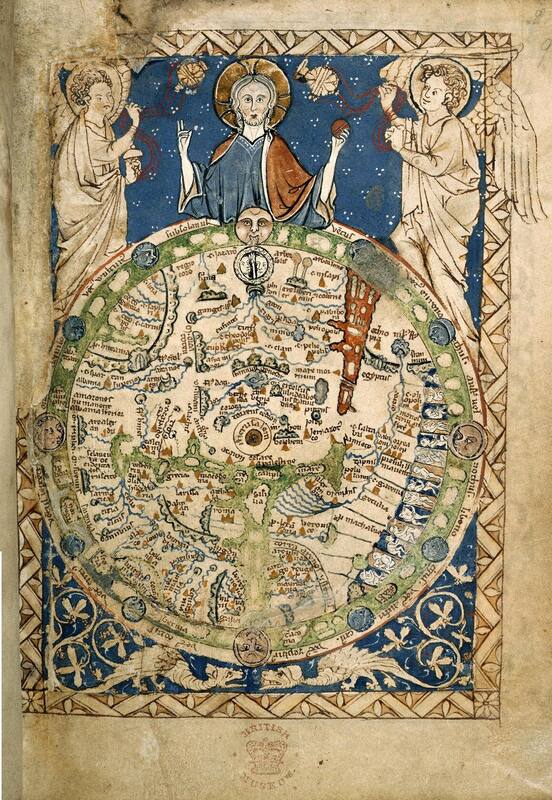
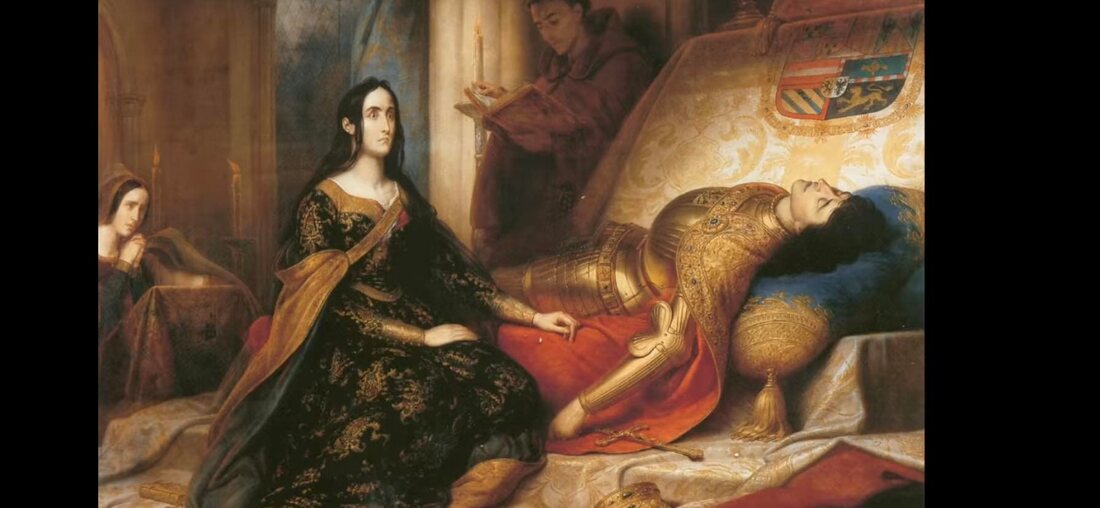
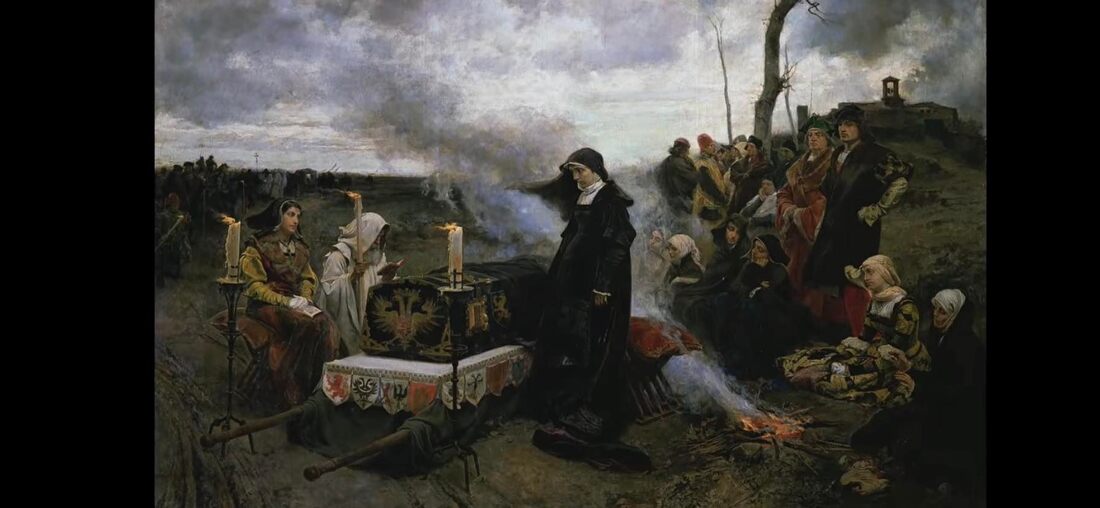
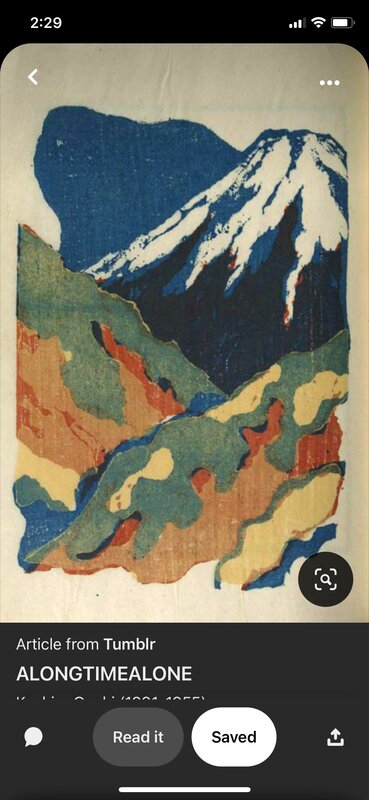
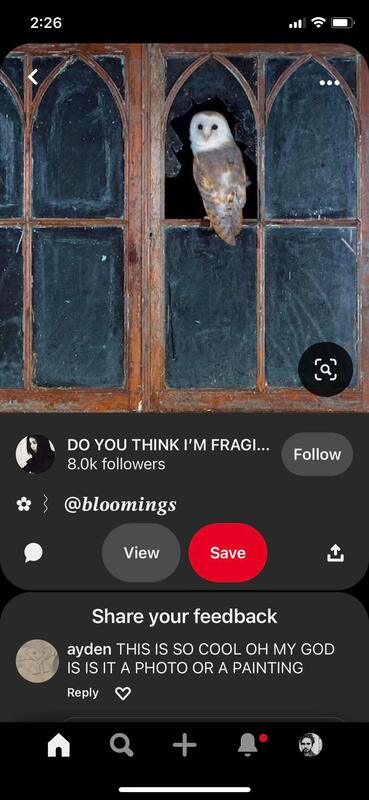
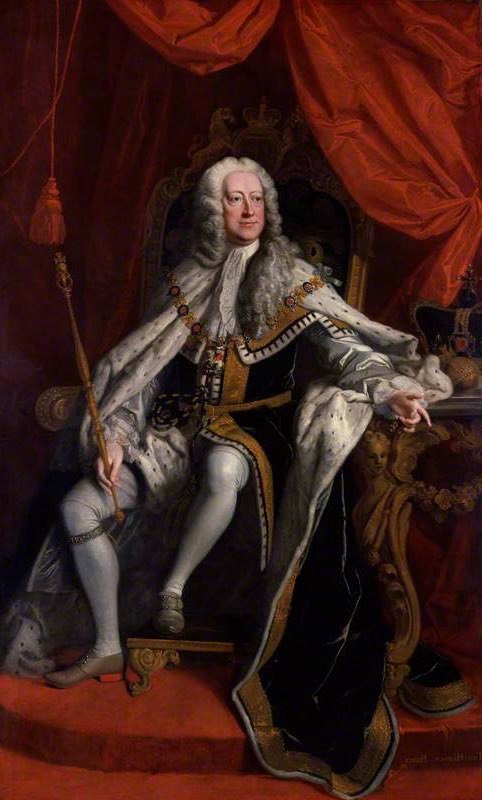
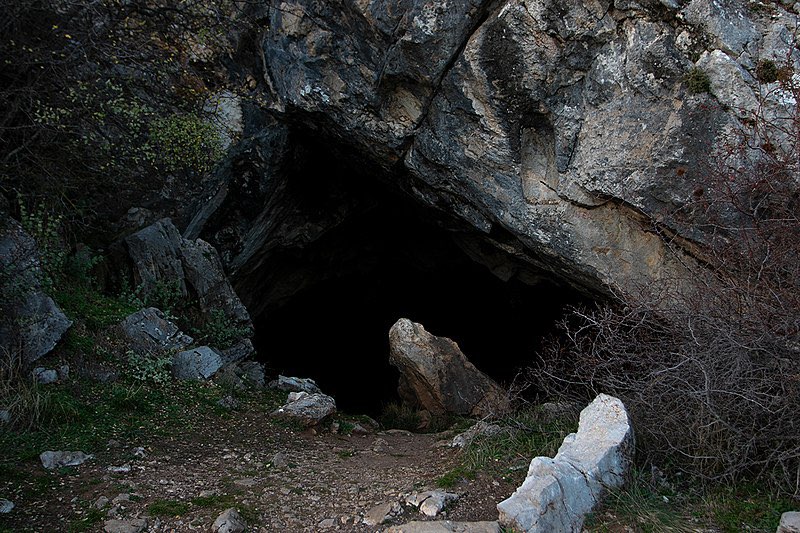
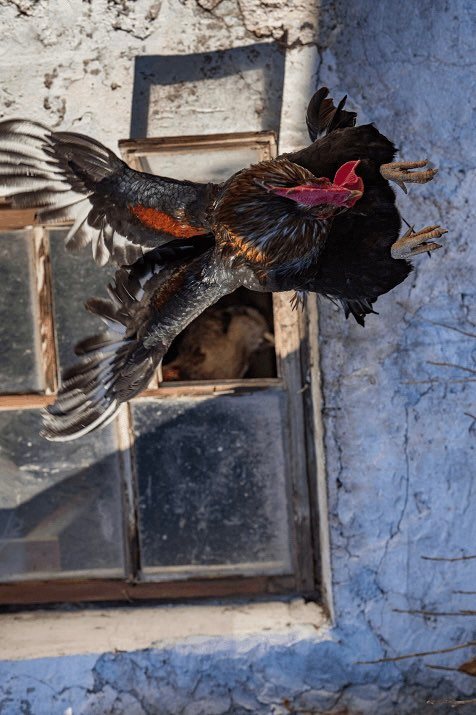
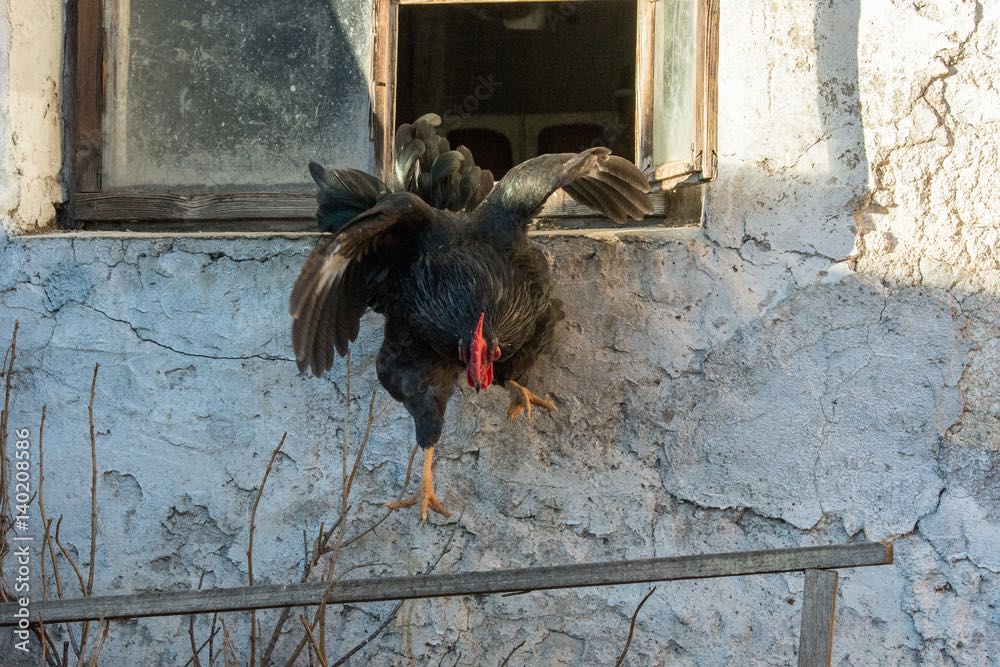
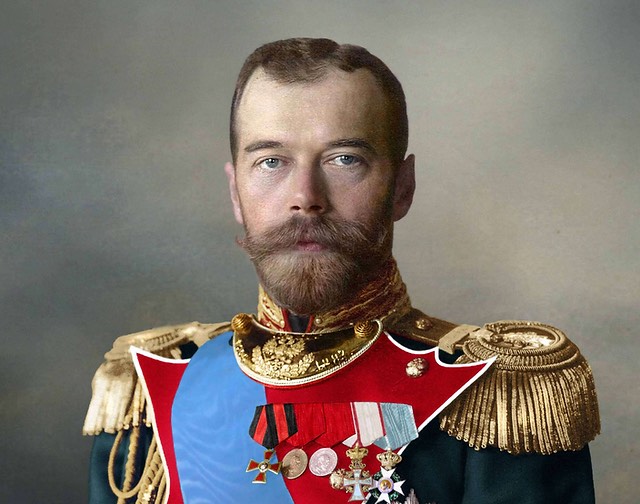
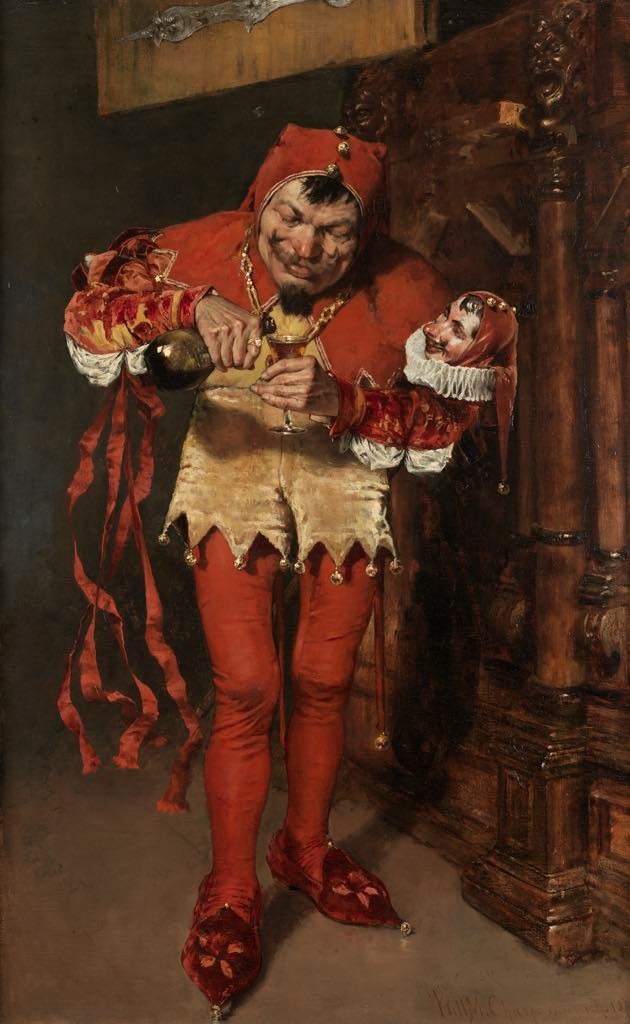
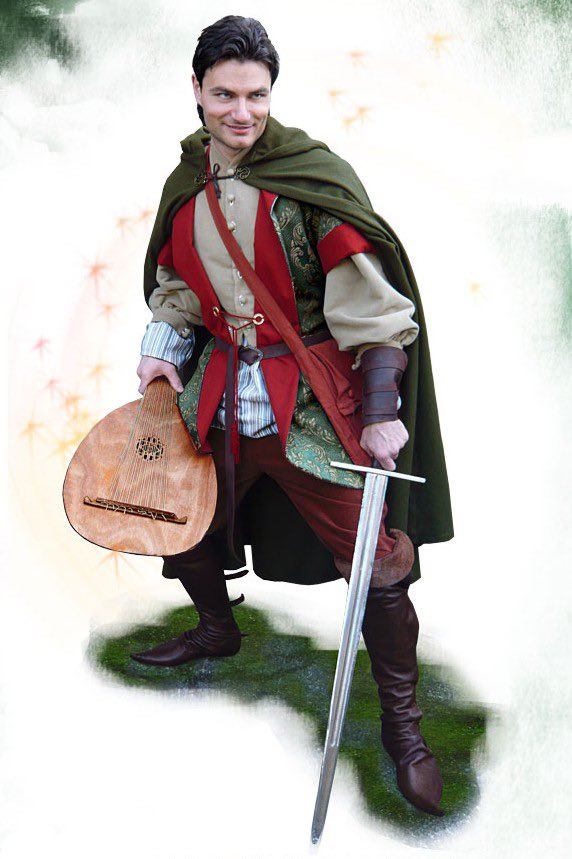
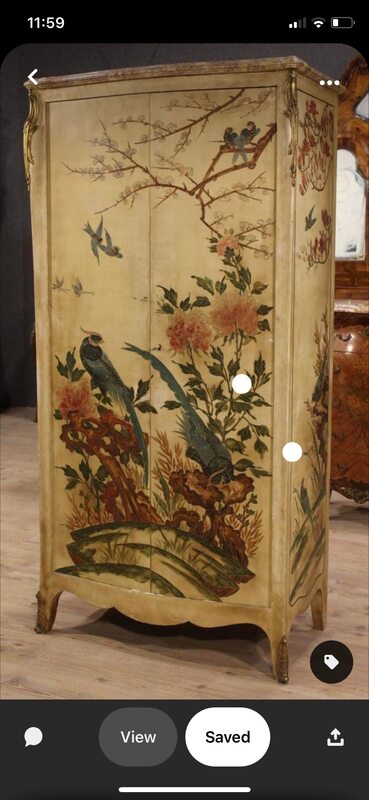
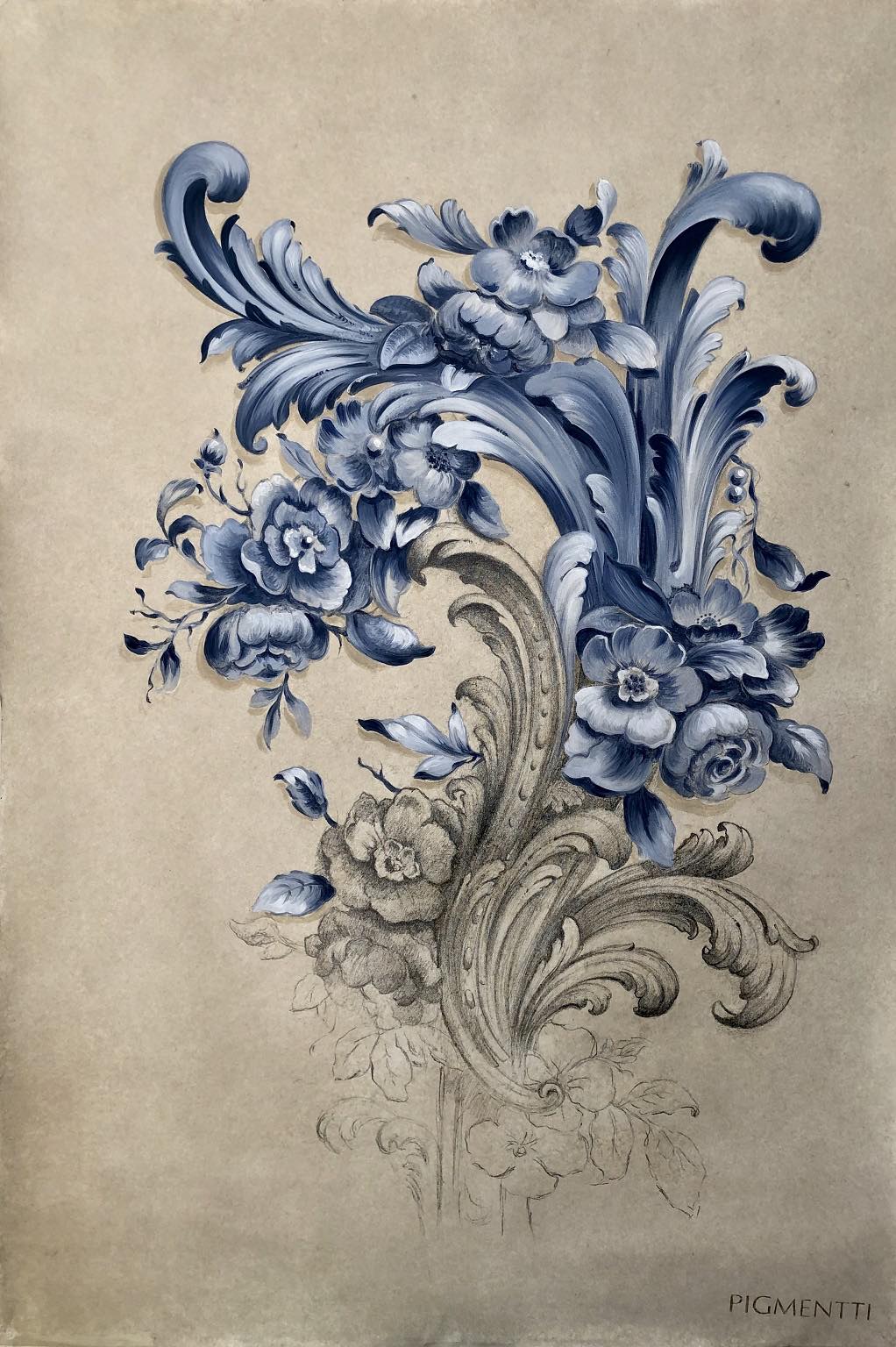
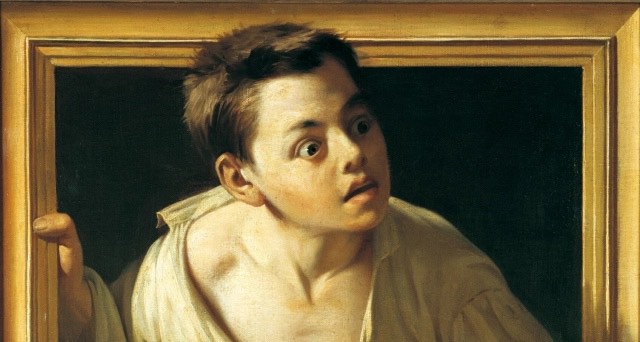
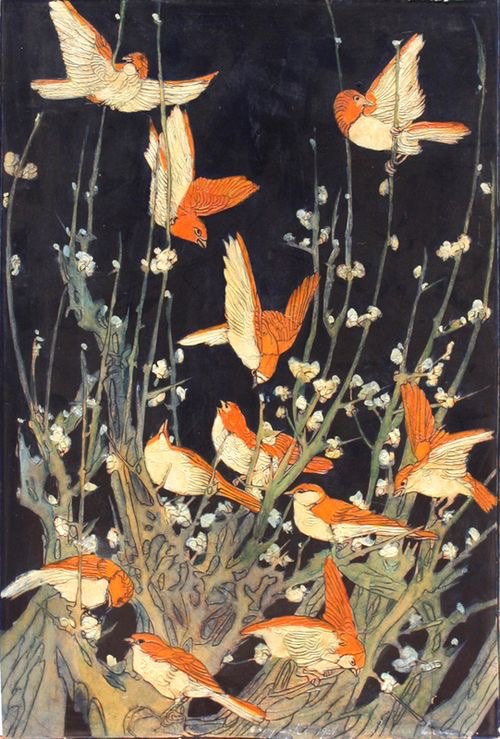
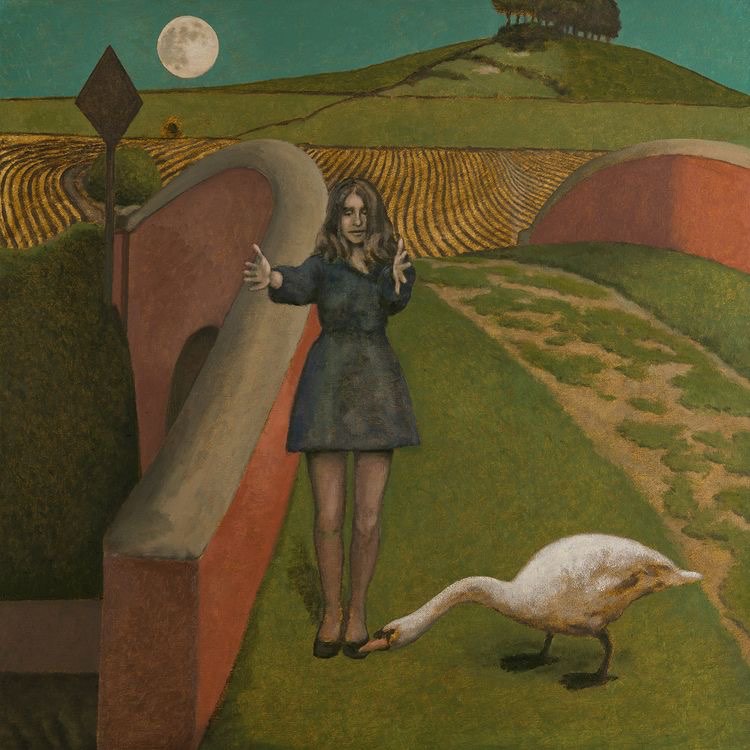
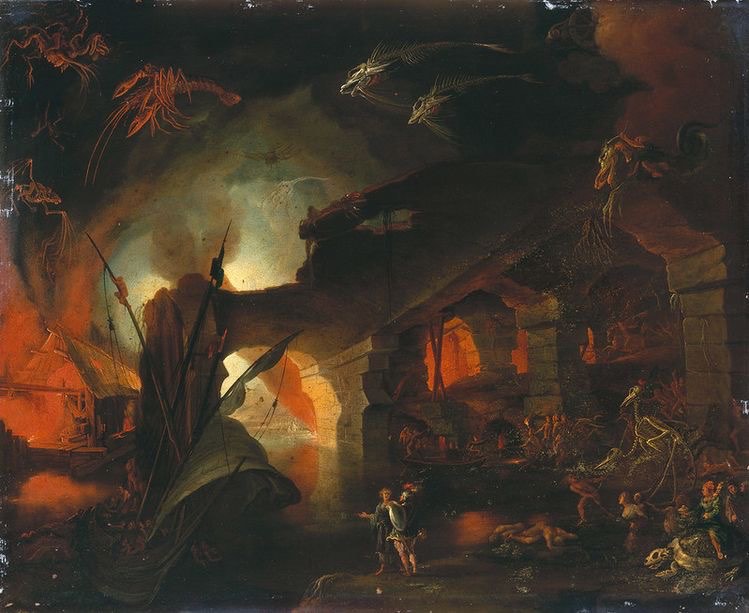
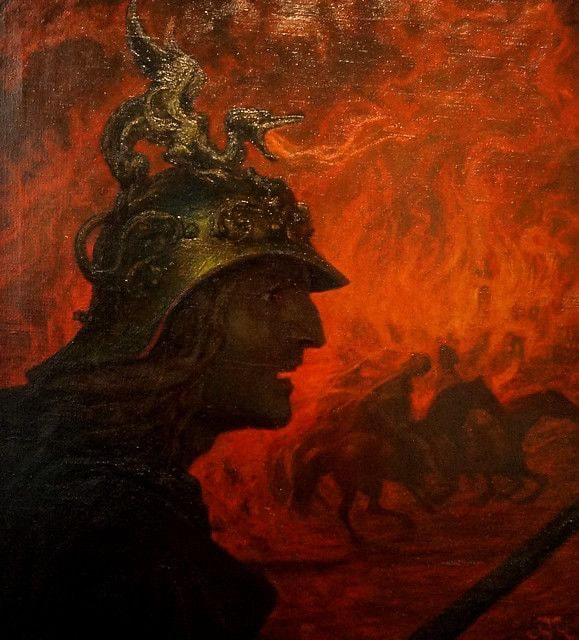
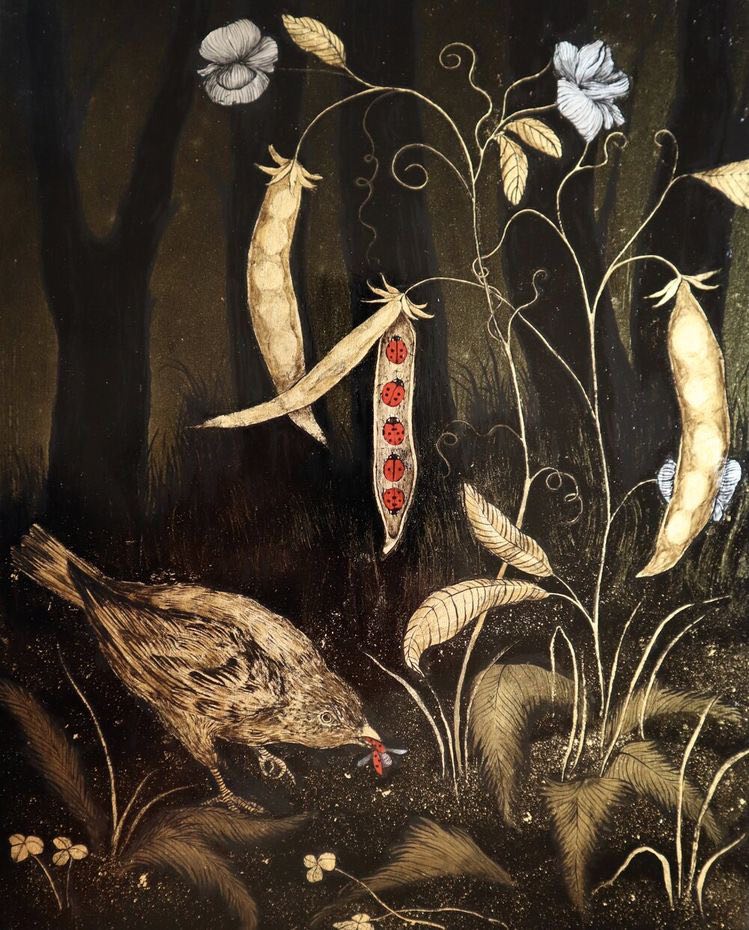
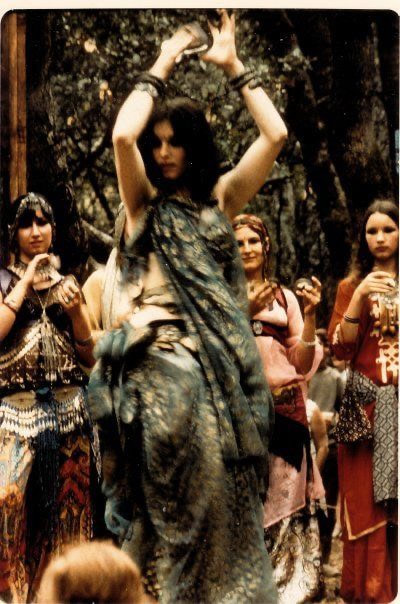
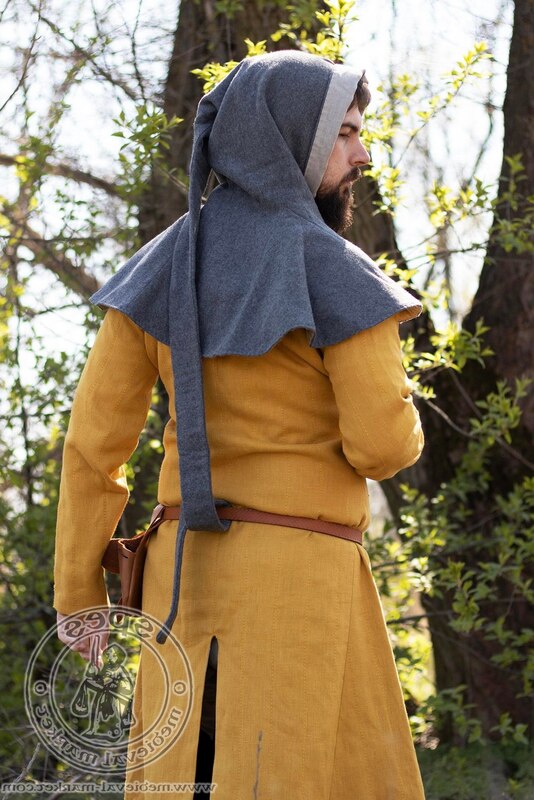
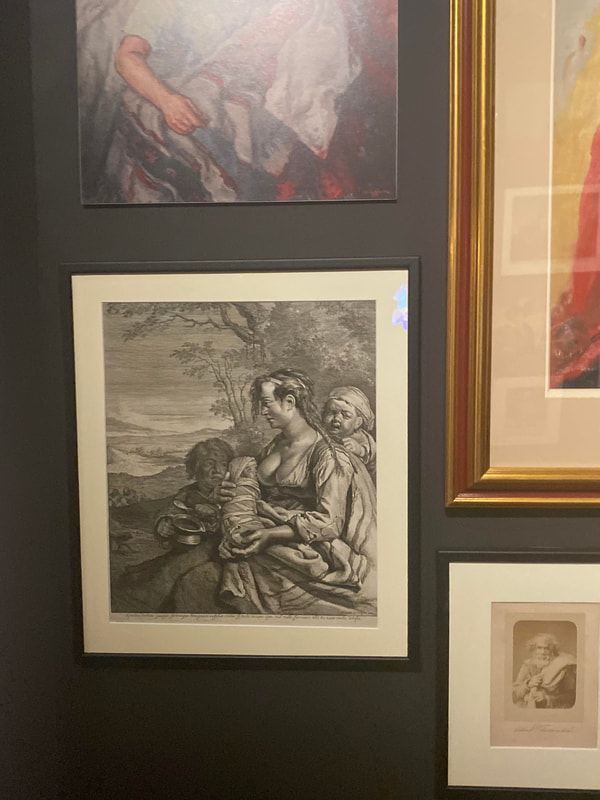
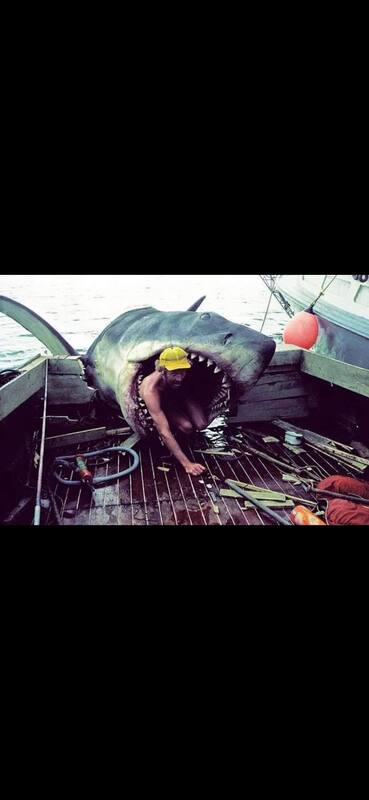
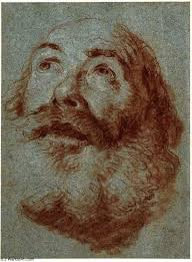
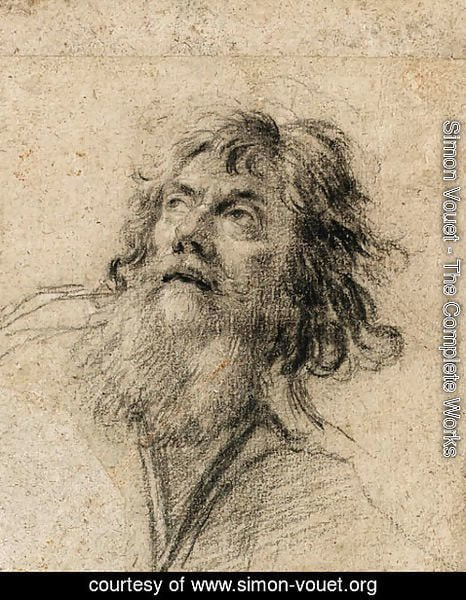
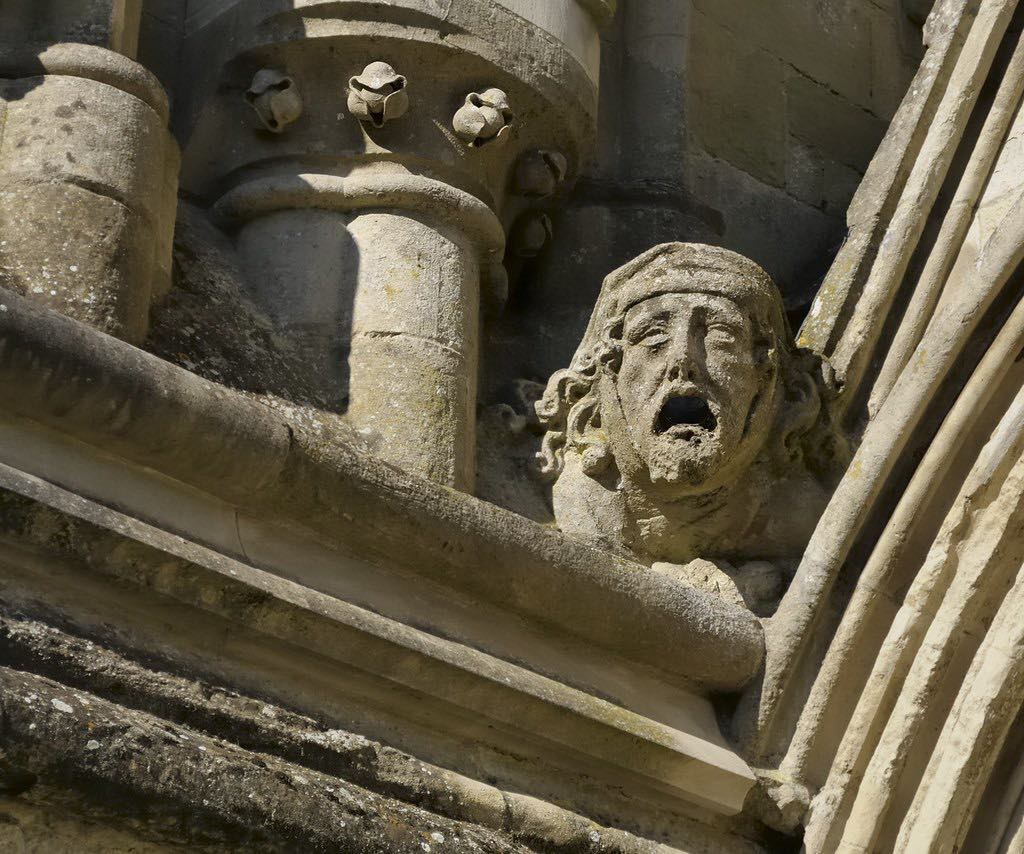
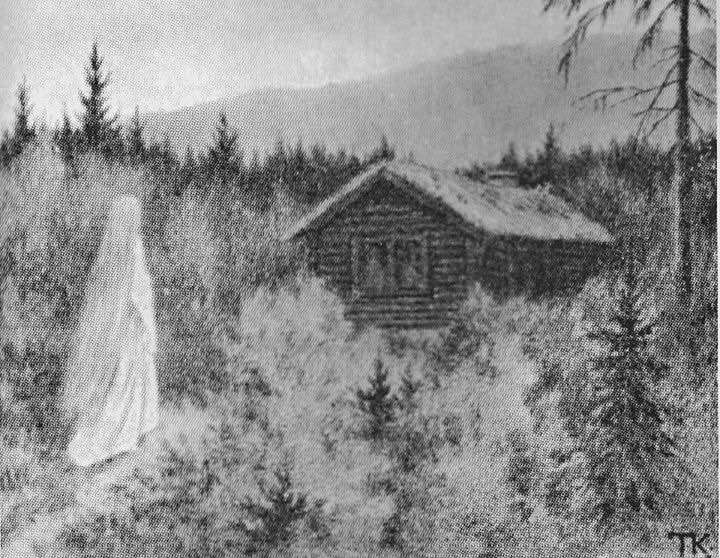
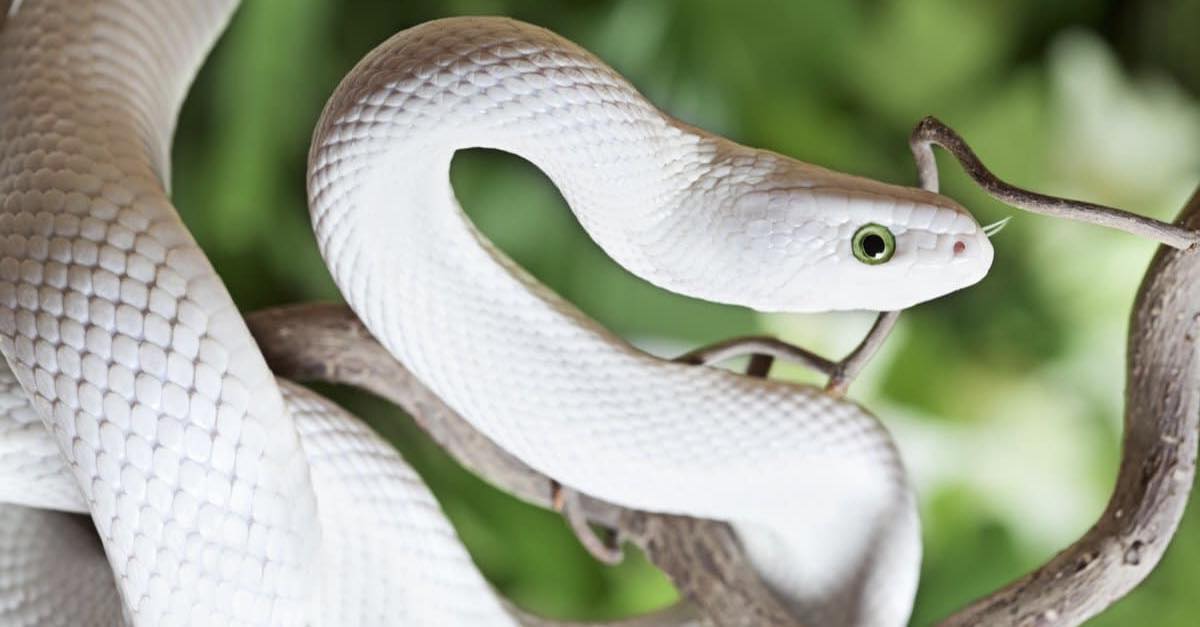
reference images and visual inspiration
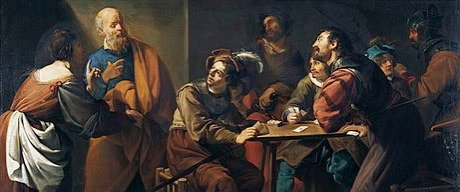
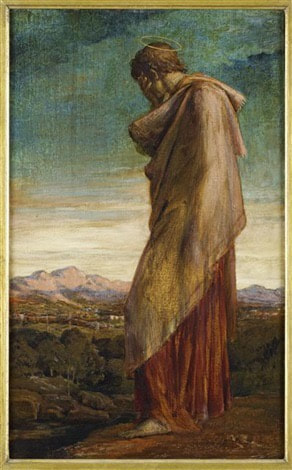
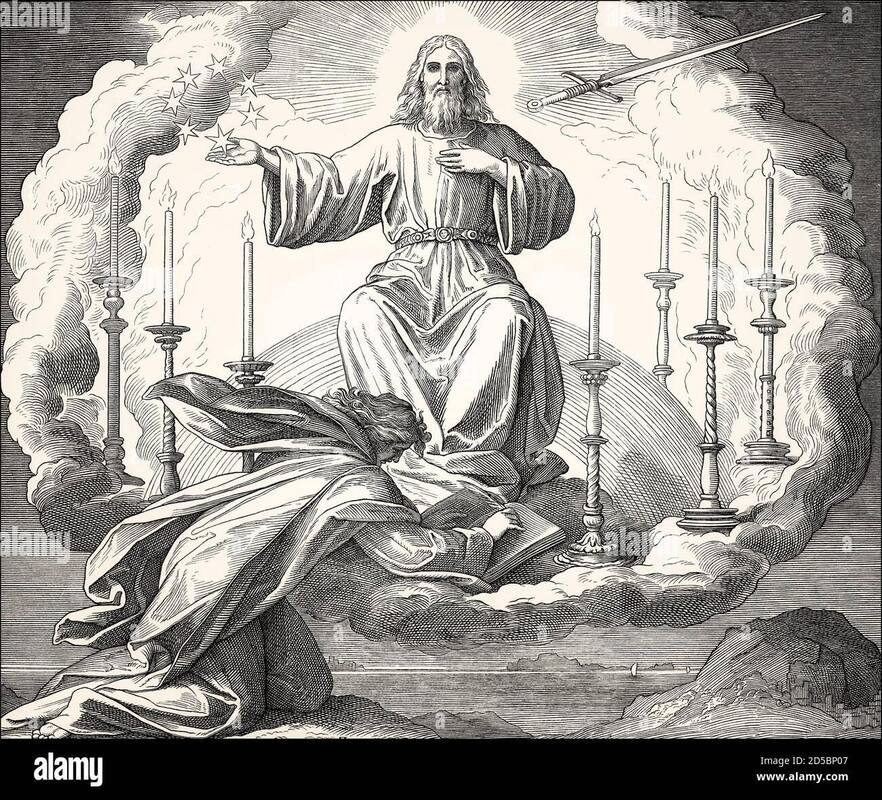
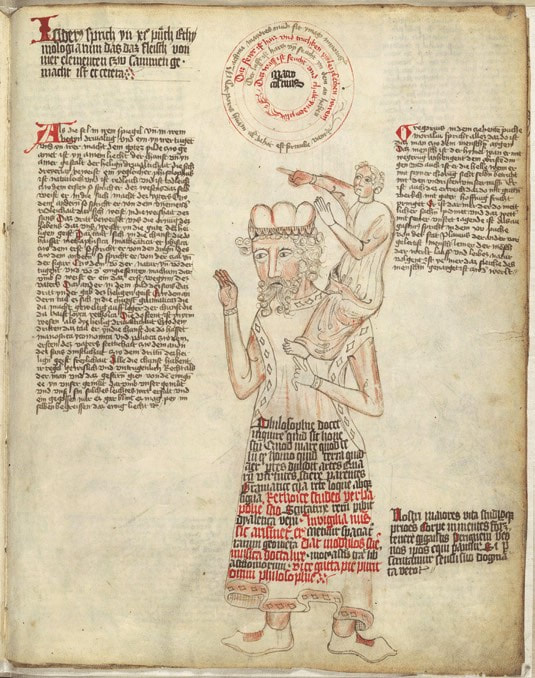

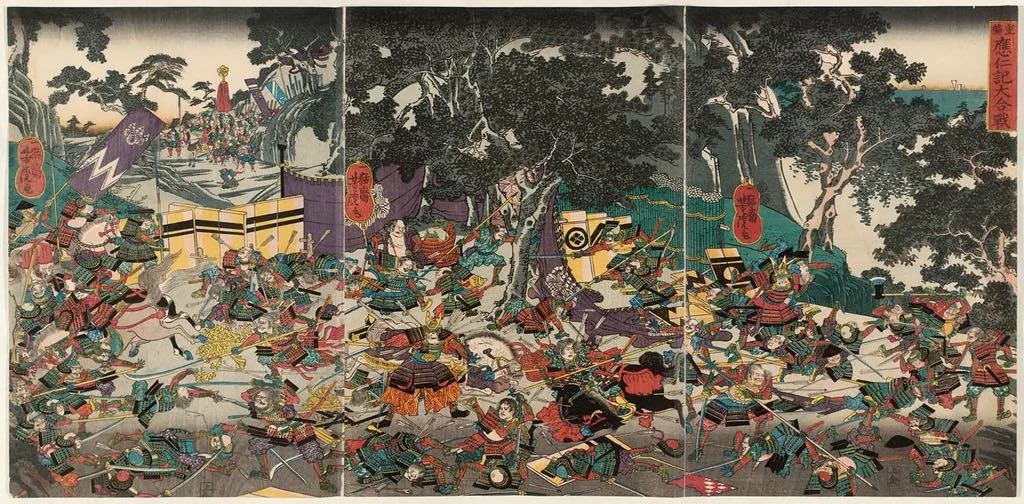
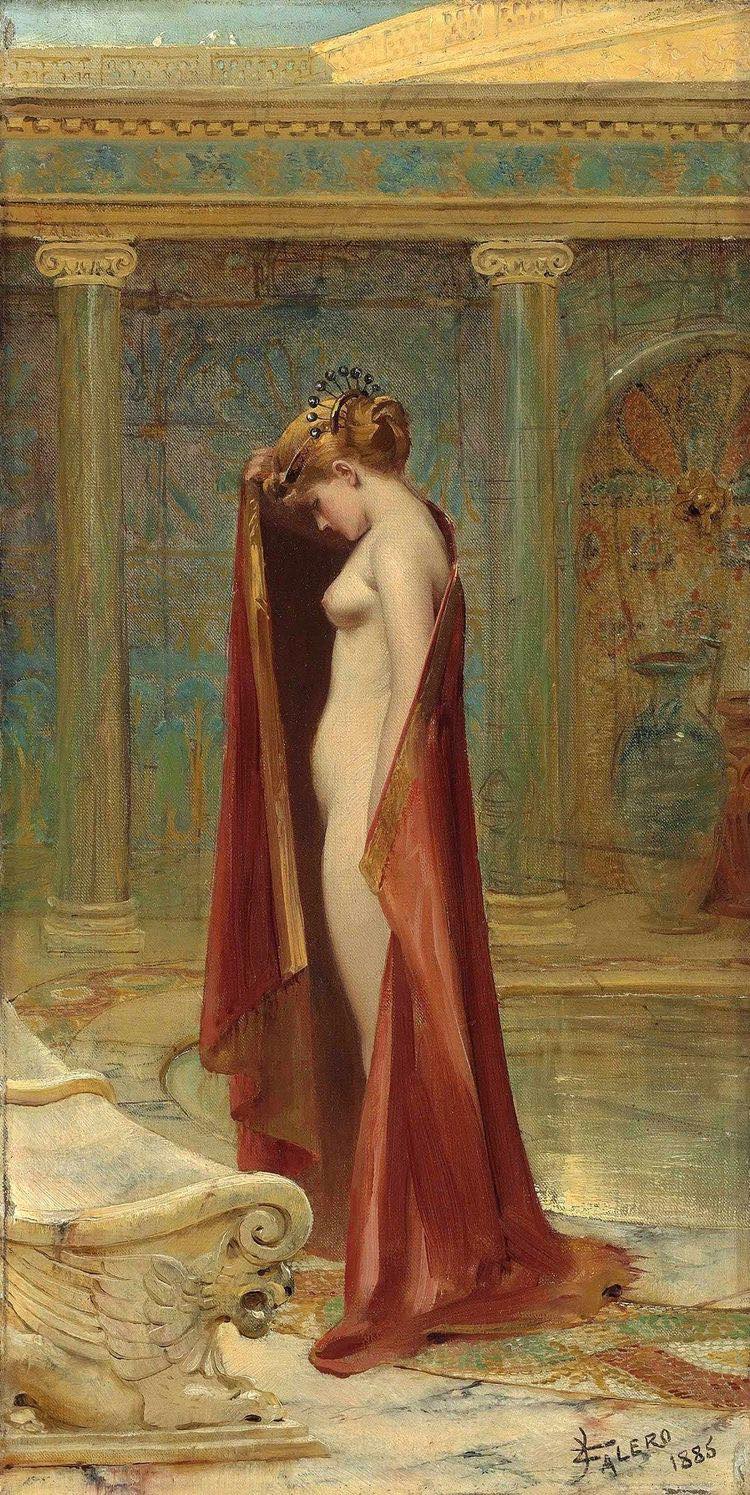
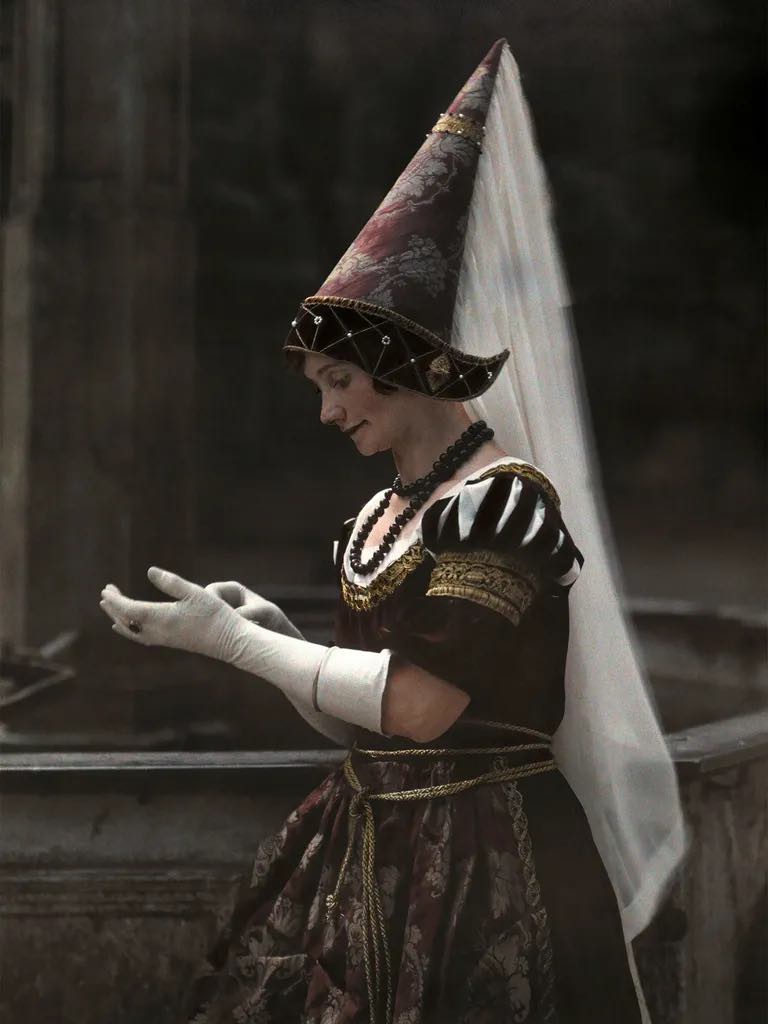



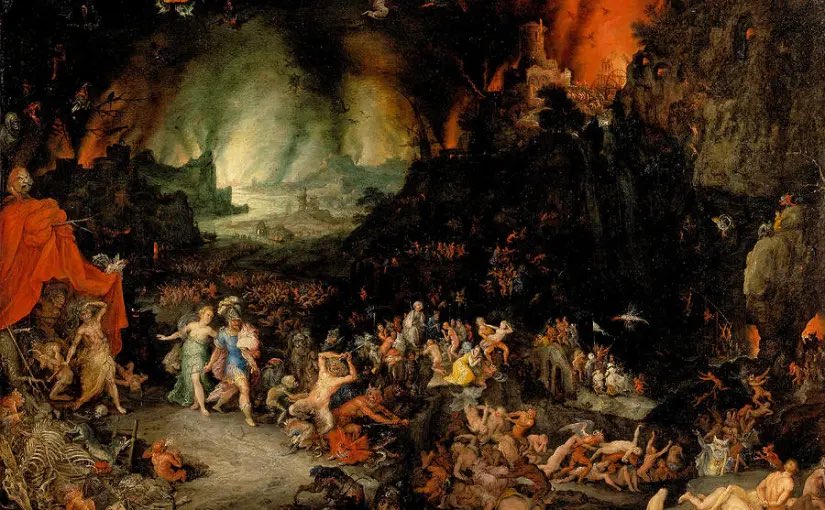
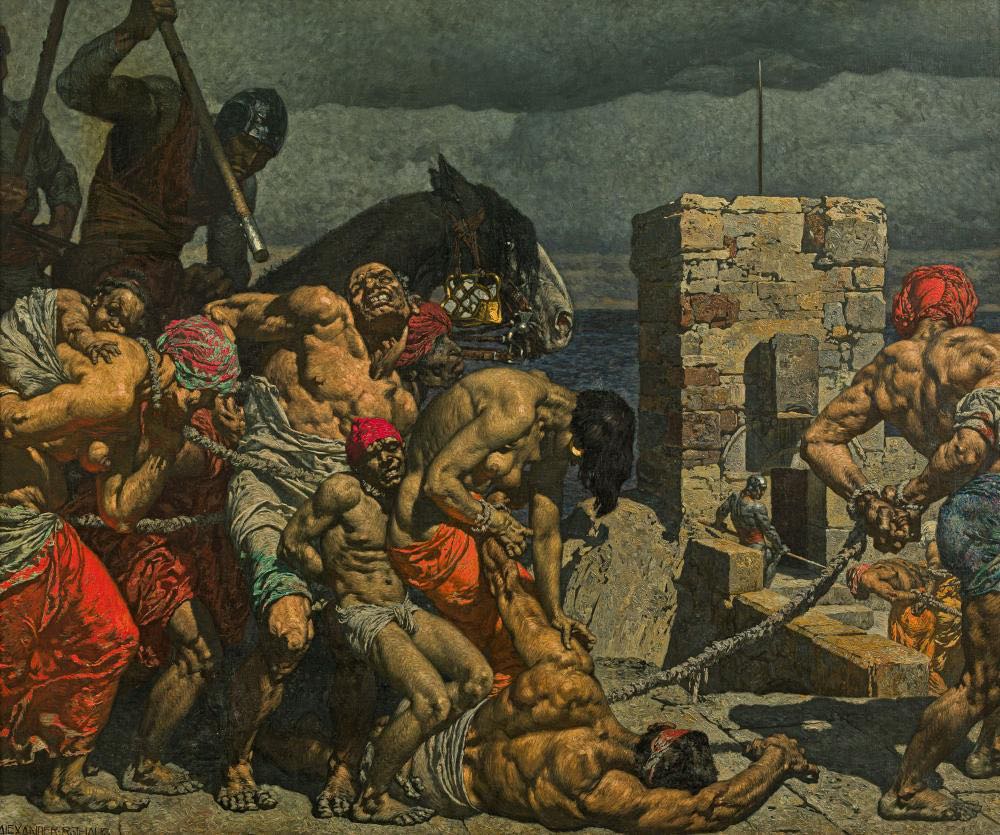
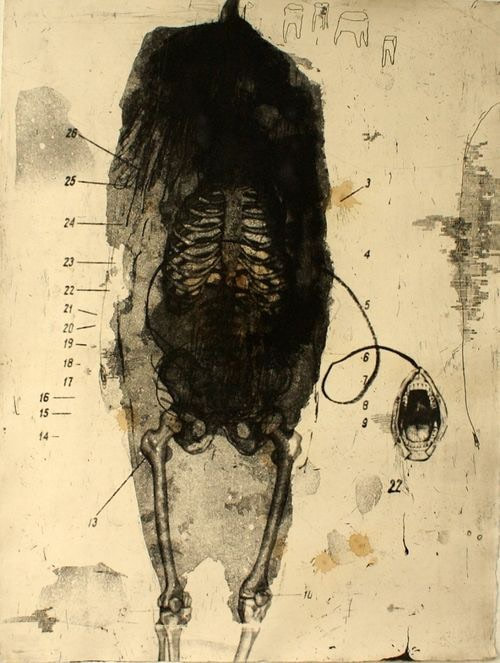

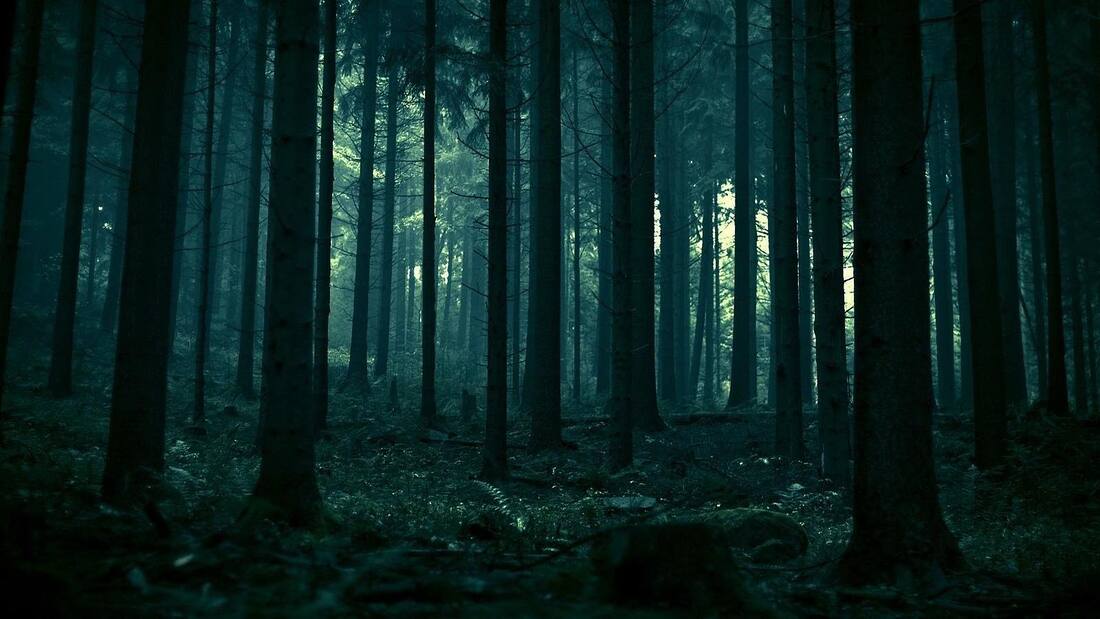
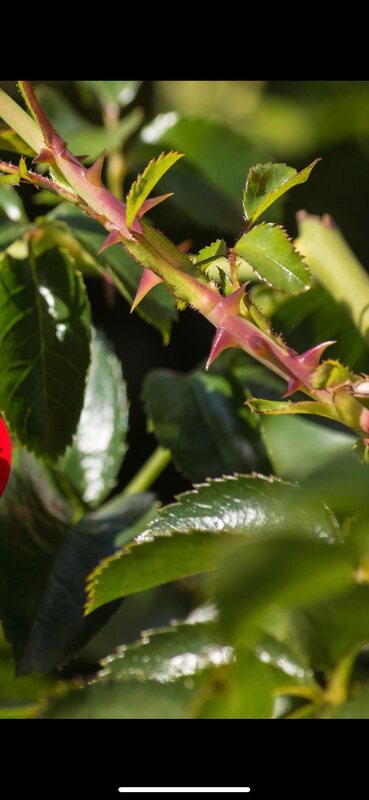
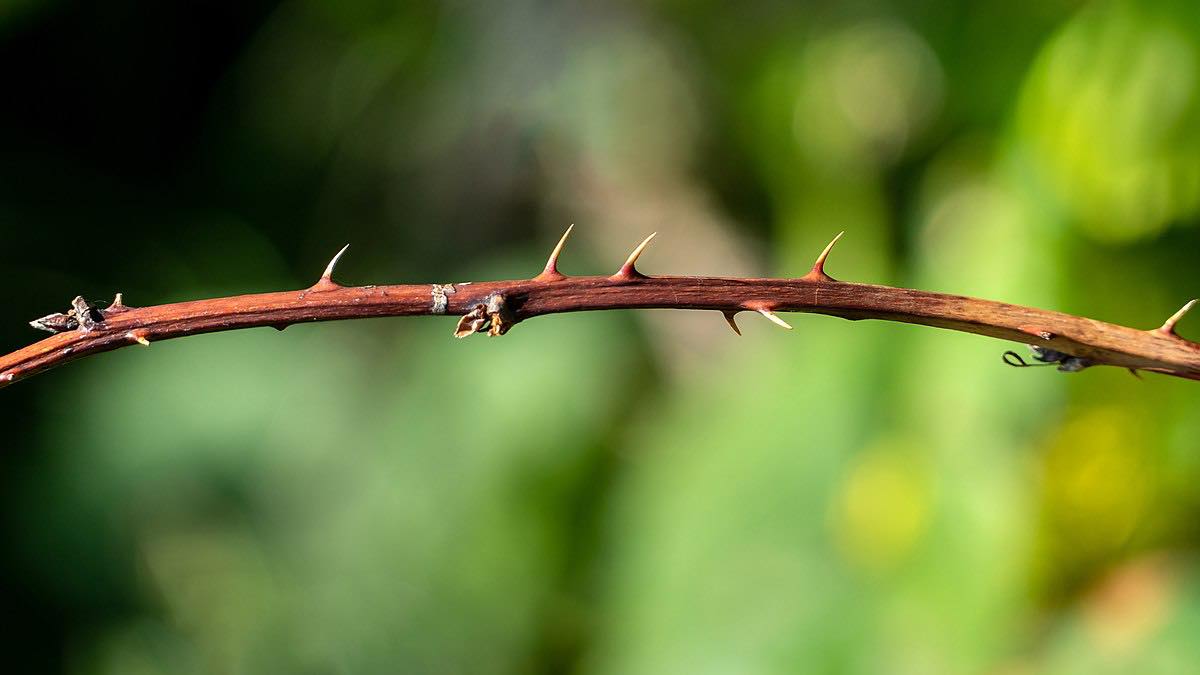


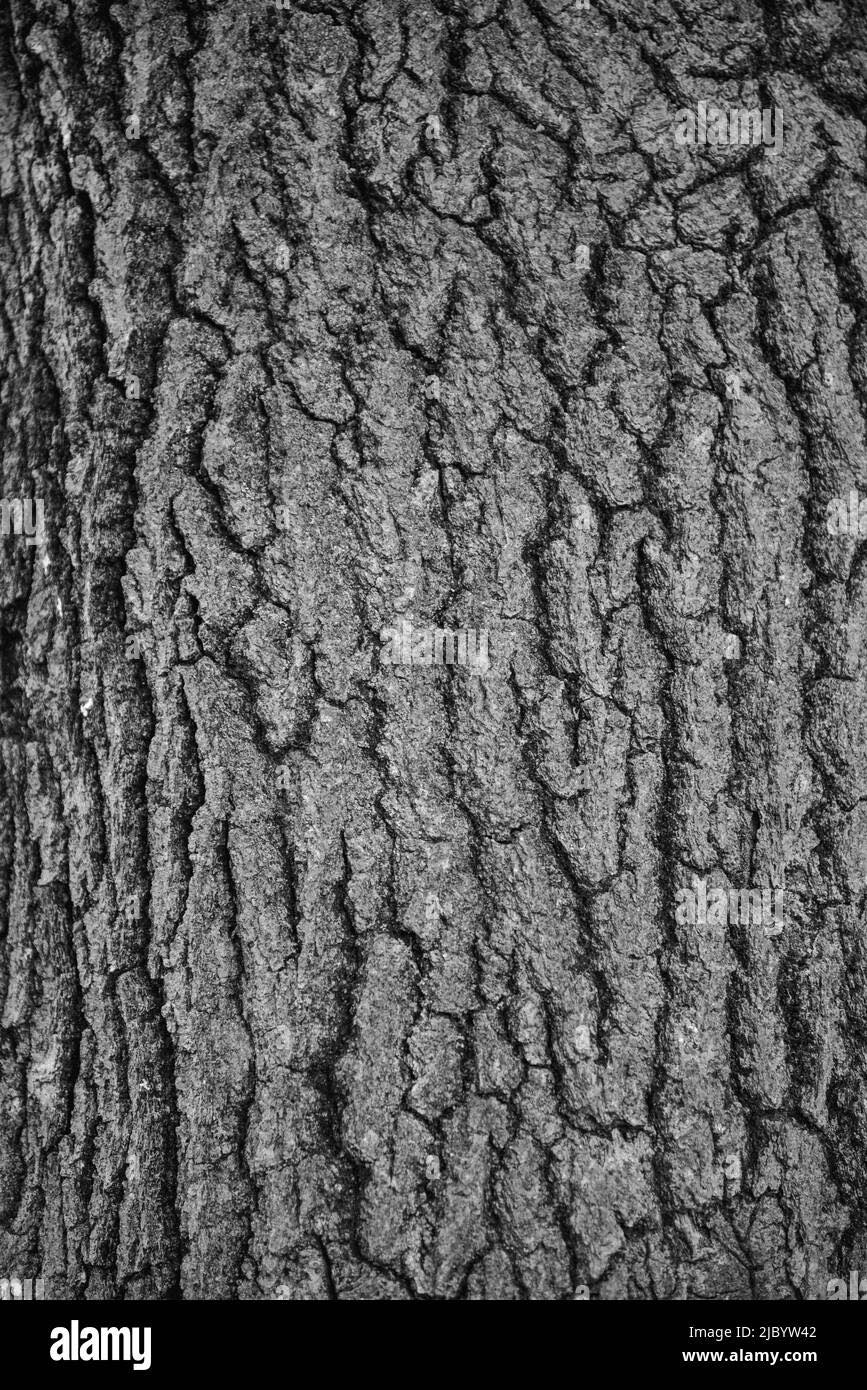



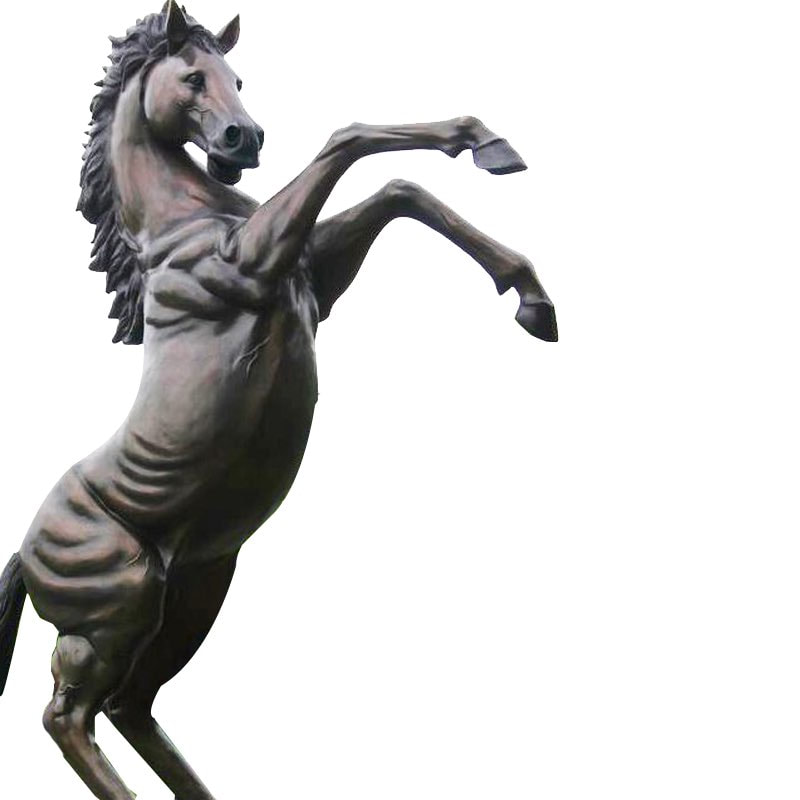
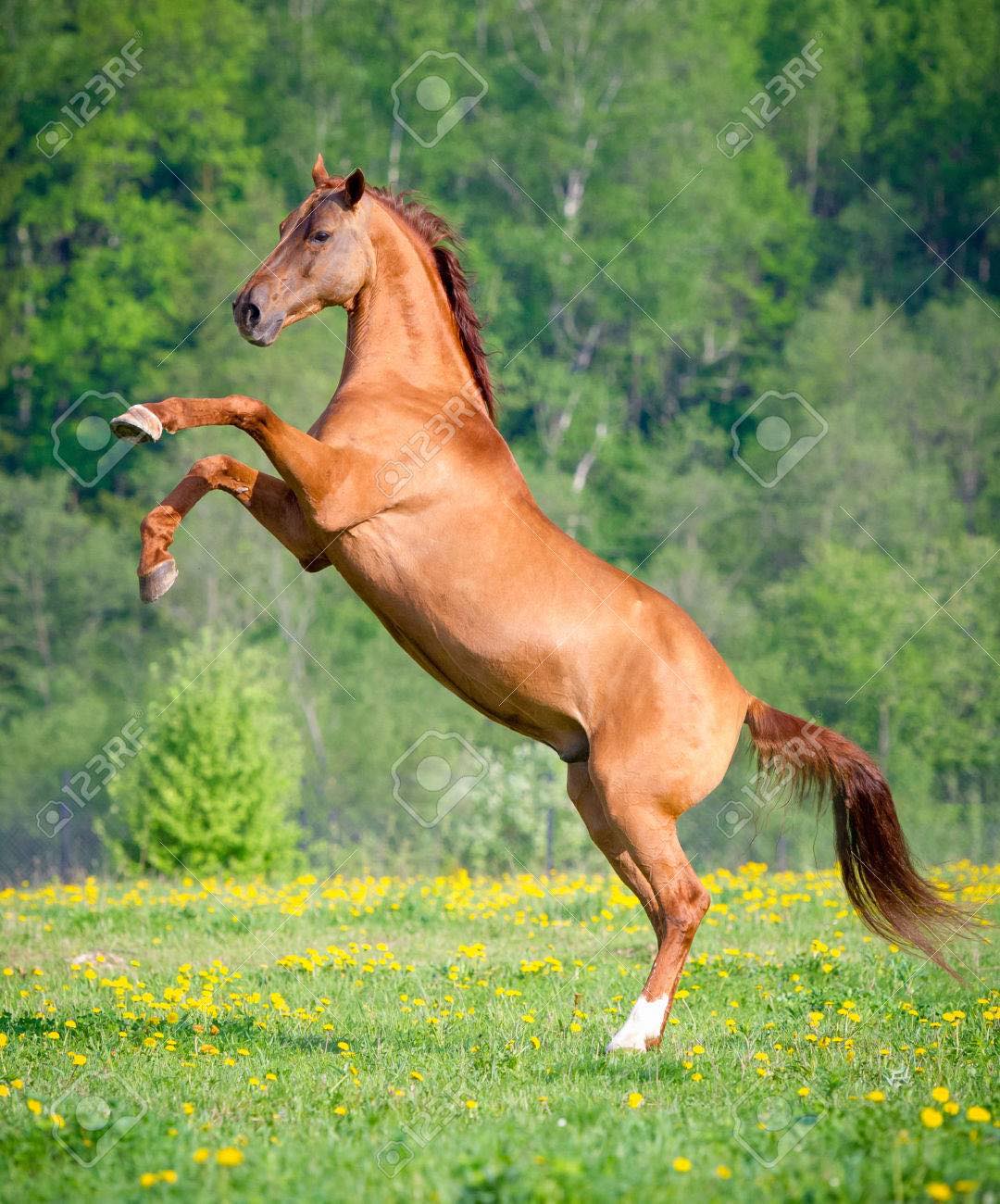
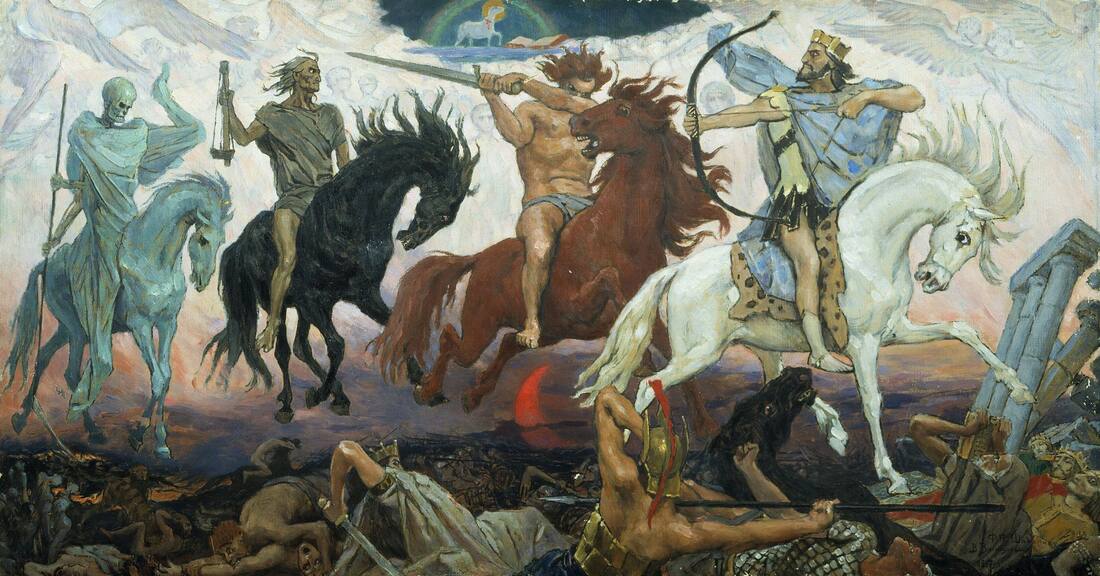
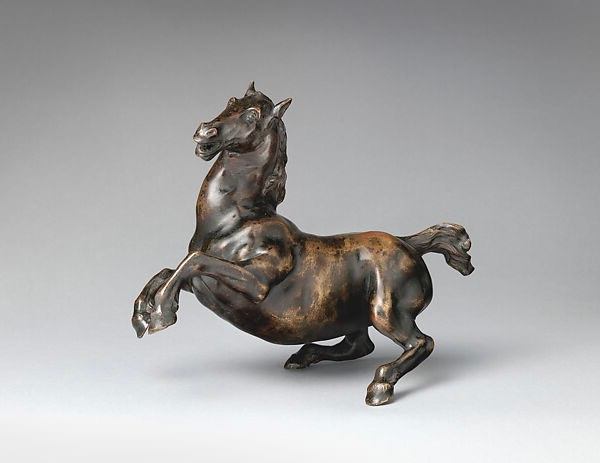

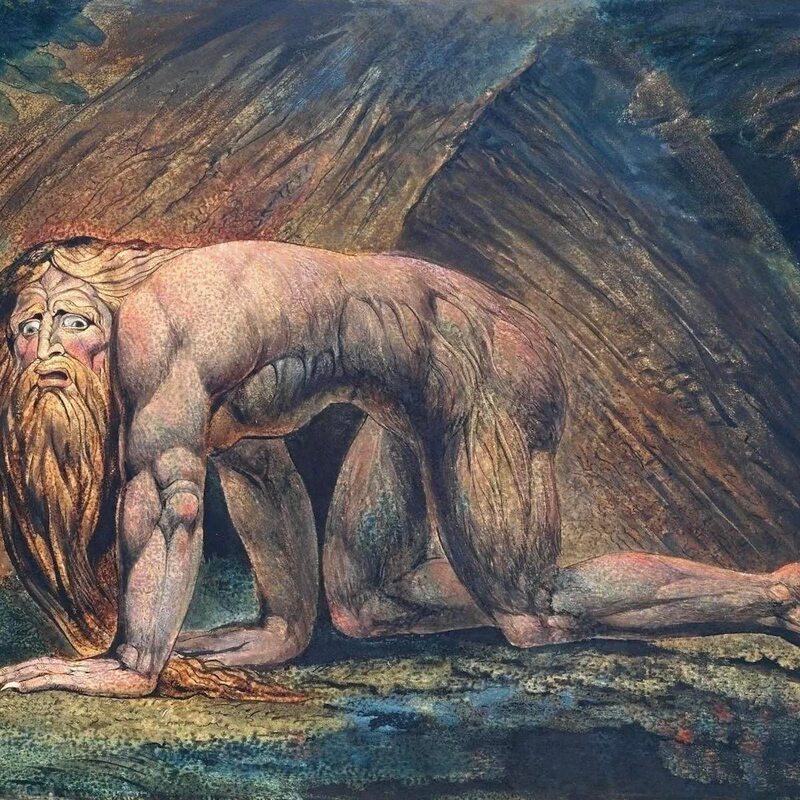
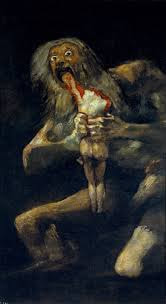
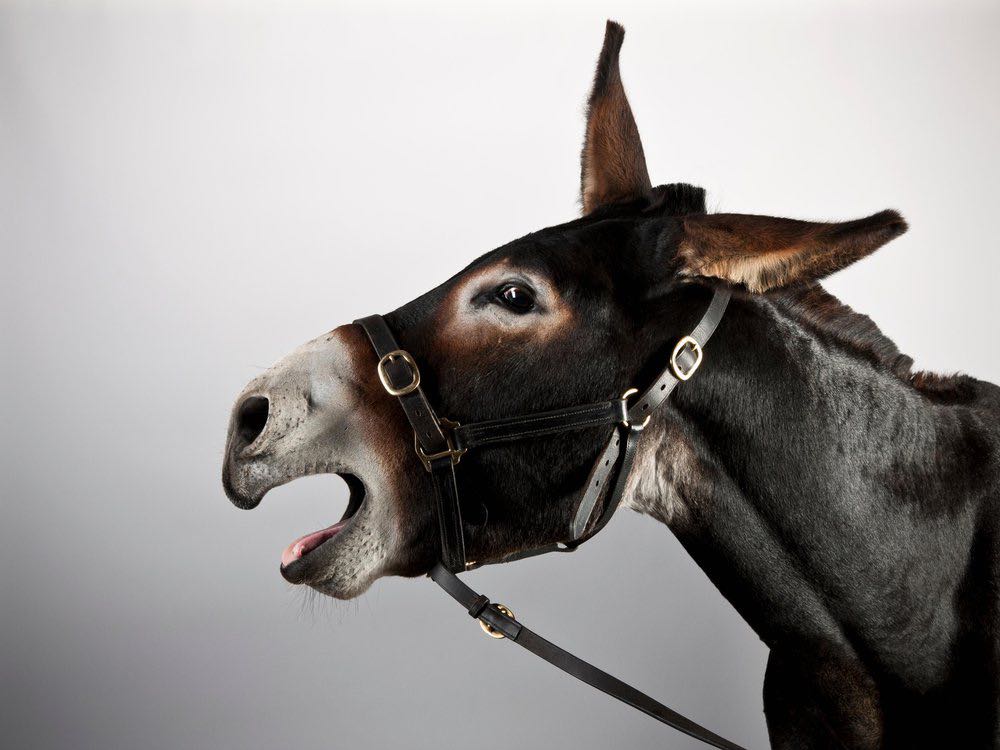


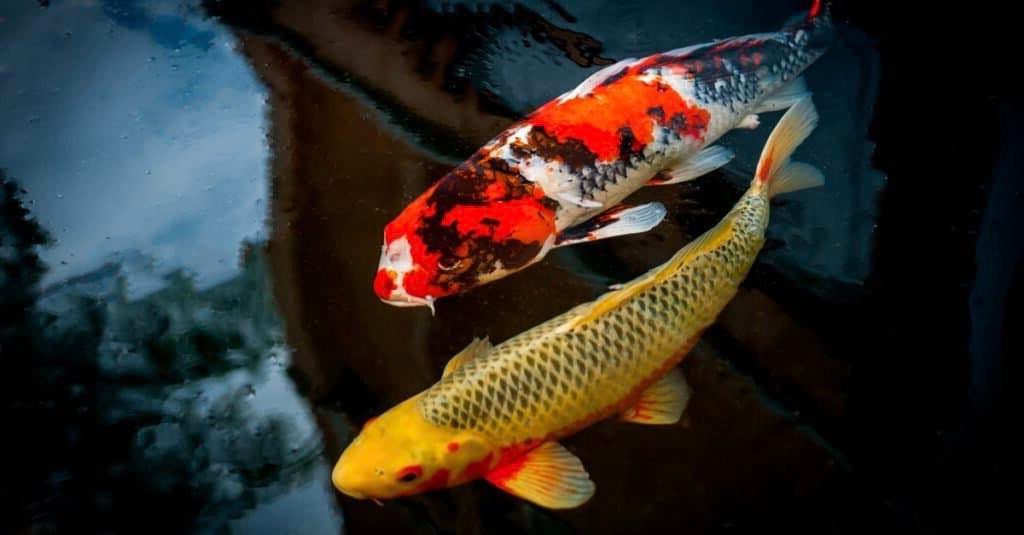













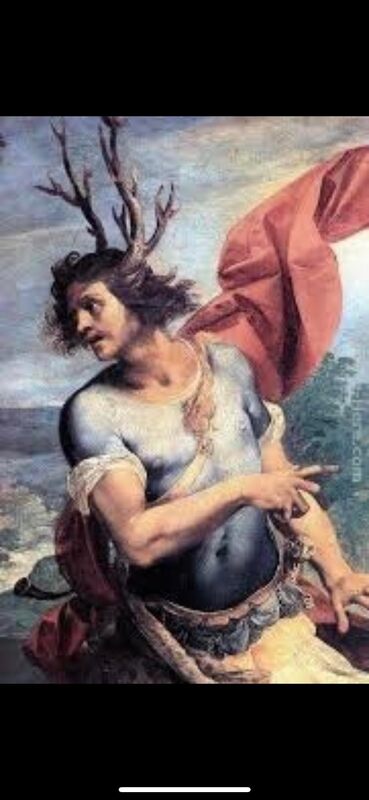
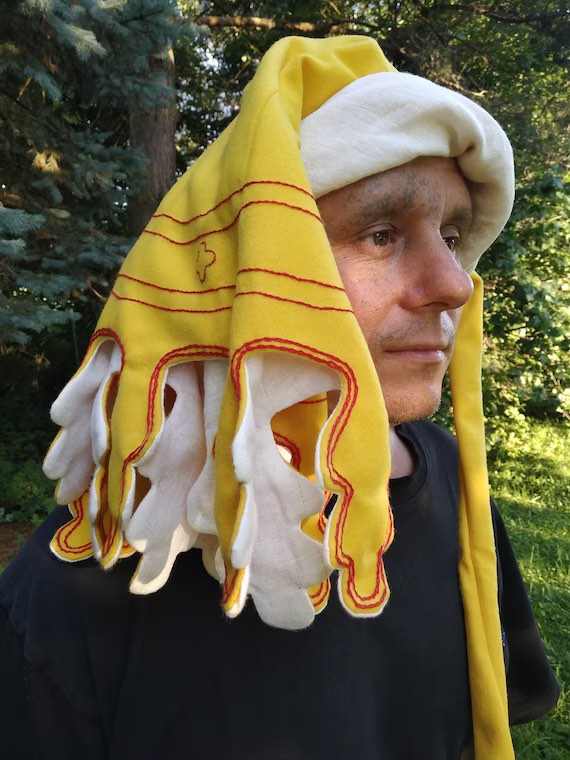
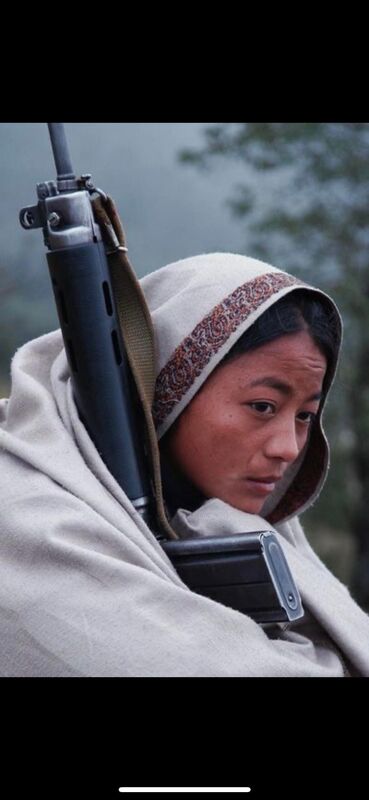

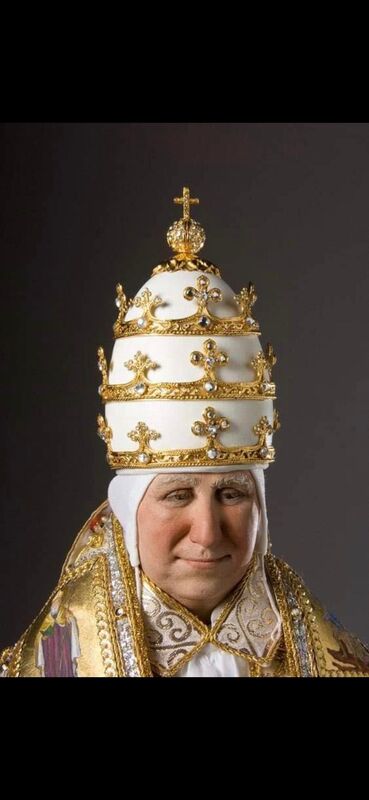
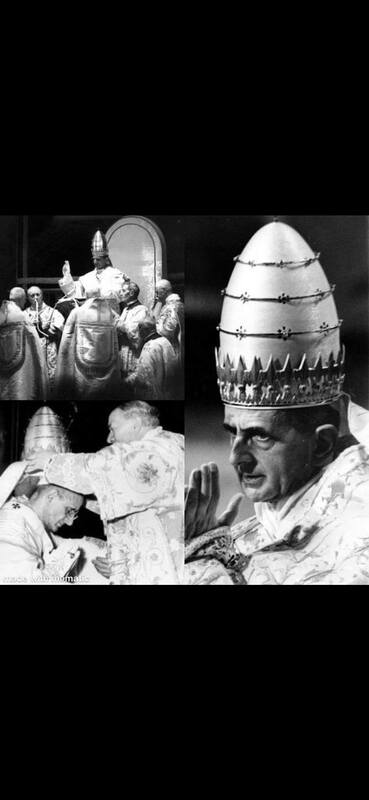


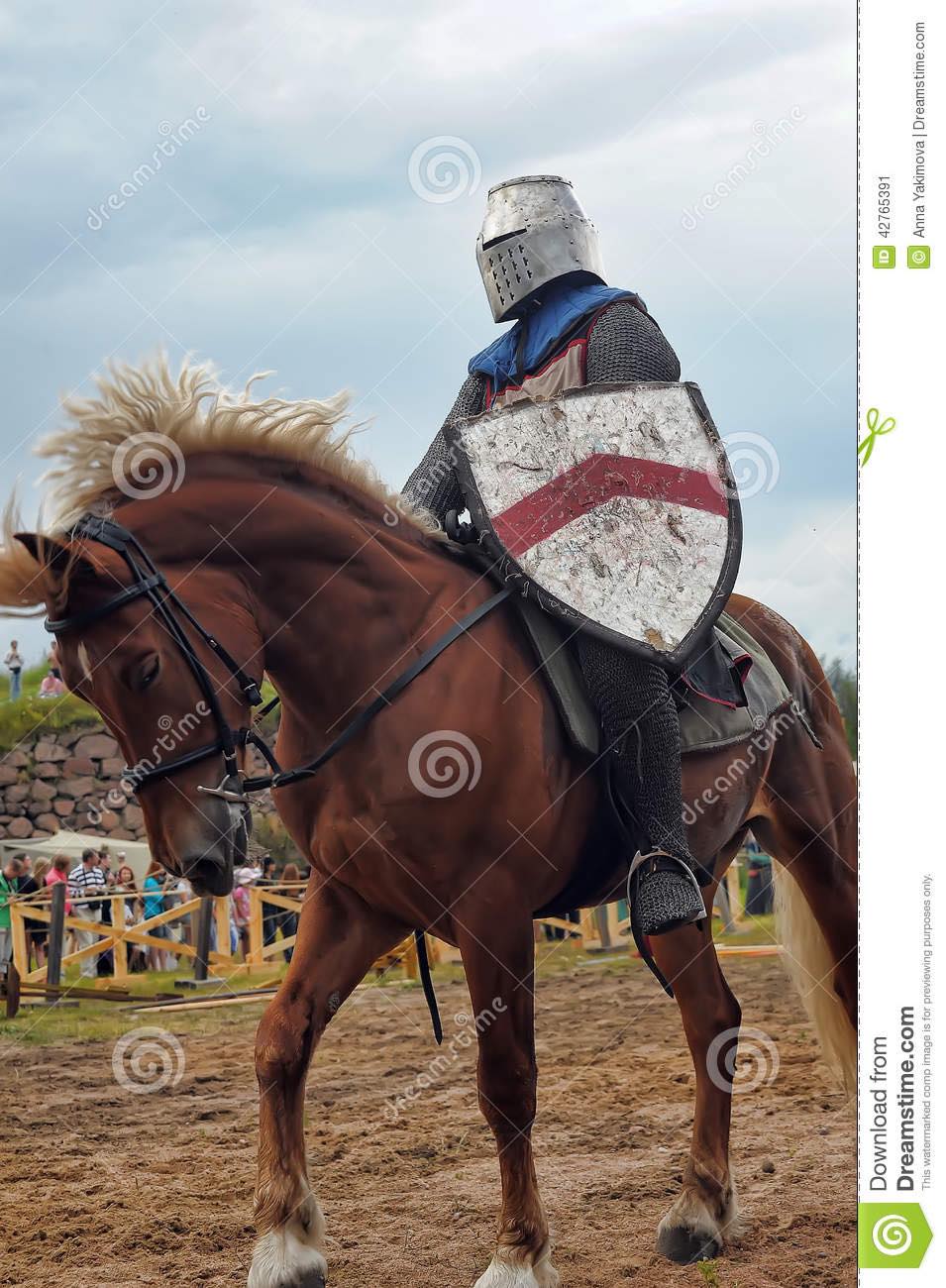
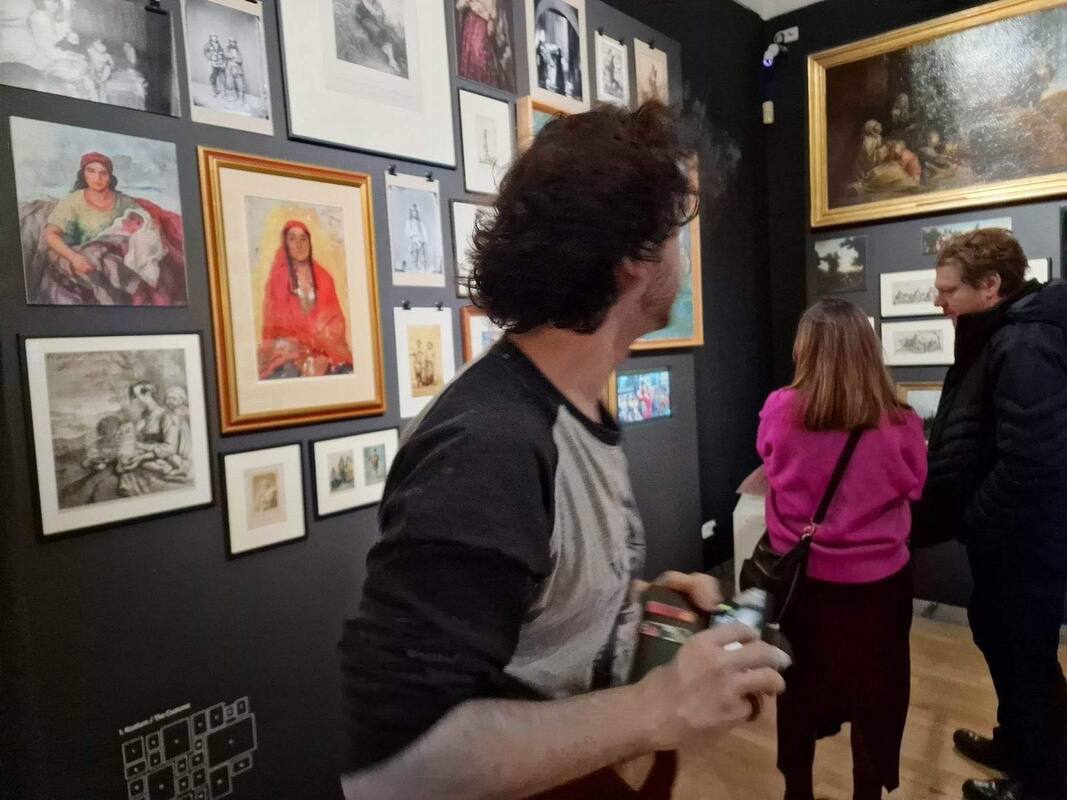
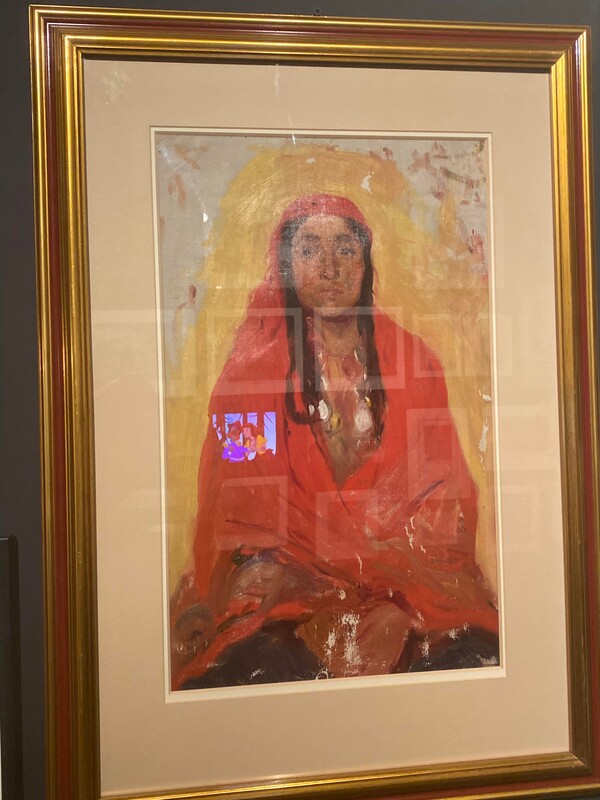





Deciding on final Projects
Smaller projects:
- Illustration for hypoethtical book on T.S Eliot's 'the wasteland'.
- Album cover for 'Pys Melyn'.
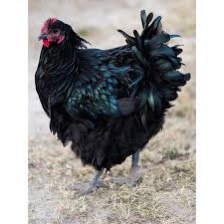
- Artworks for the 'Midnight Horse story' by Rose Leach.
Large Projects:
- Large painting for a hypothetical book serving as a the starting point for 'automatic writing' (like automatic drawing). Inspired by the works of Pieter Bruegel the Elder and Richard Dadd.
- A series of paintings for a hypothetical book on welsh idioms.
illustration for 'The Wasteland'
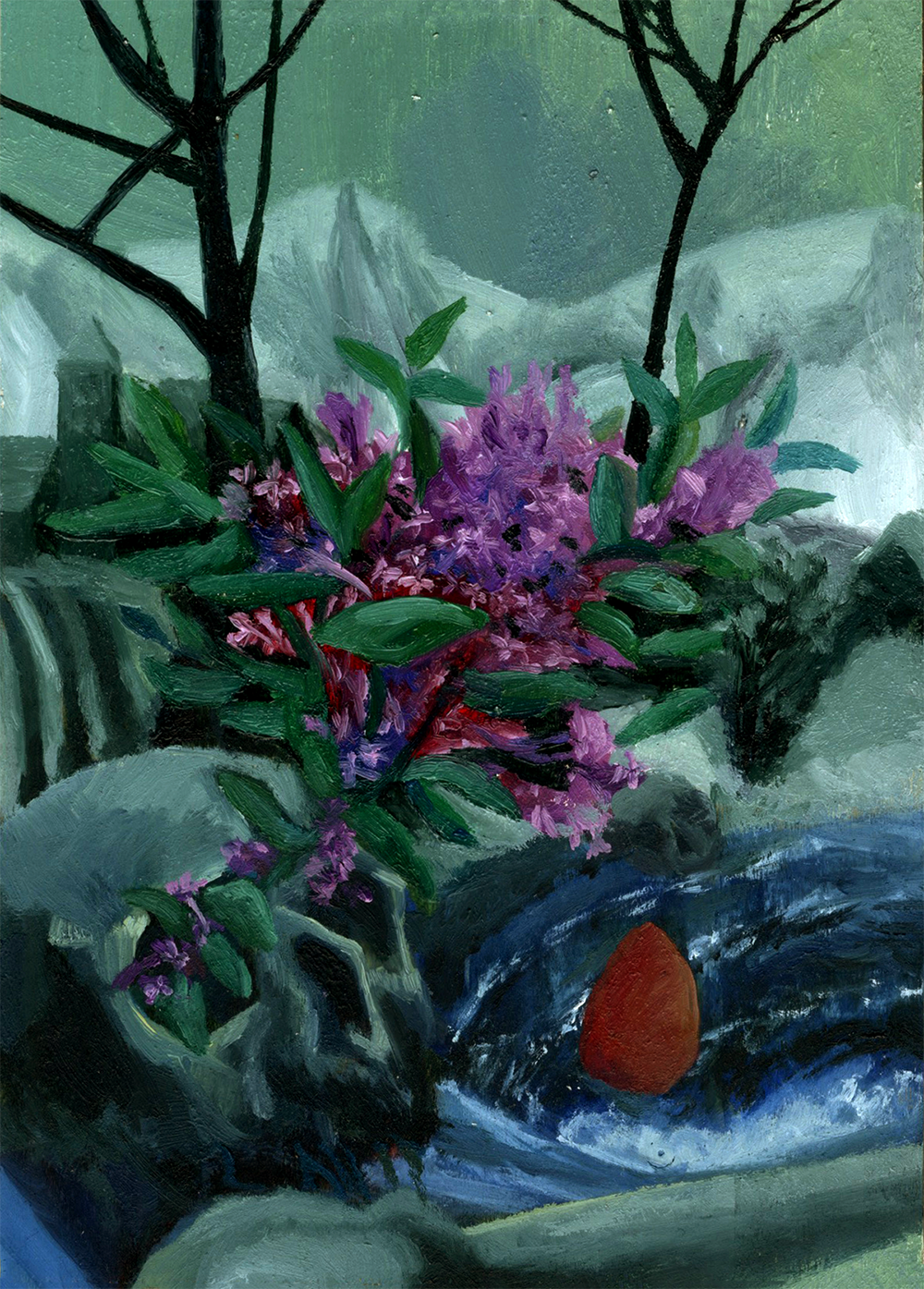
Pys Melyn Album Cover
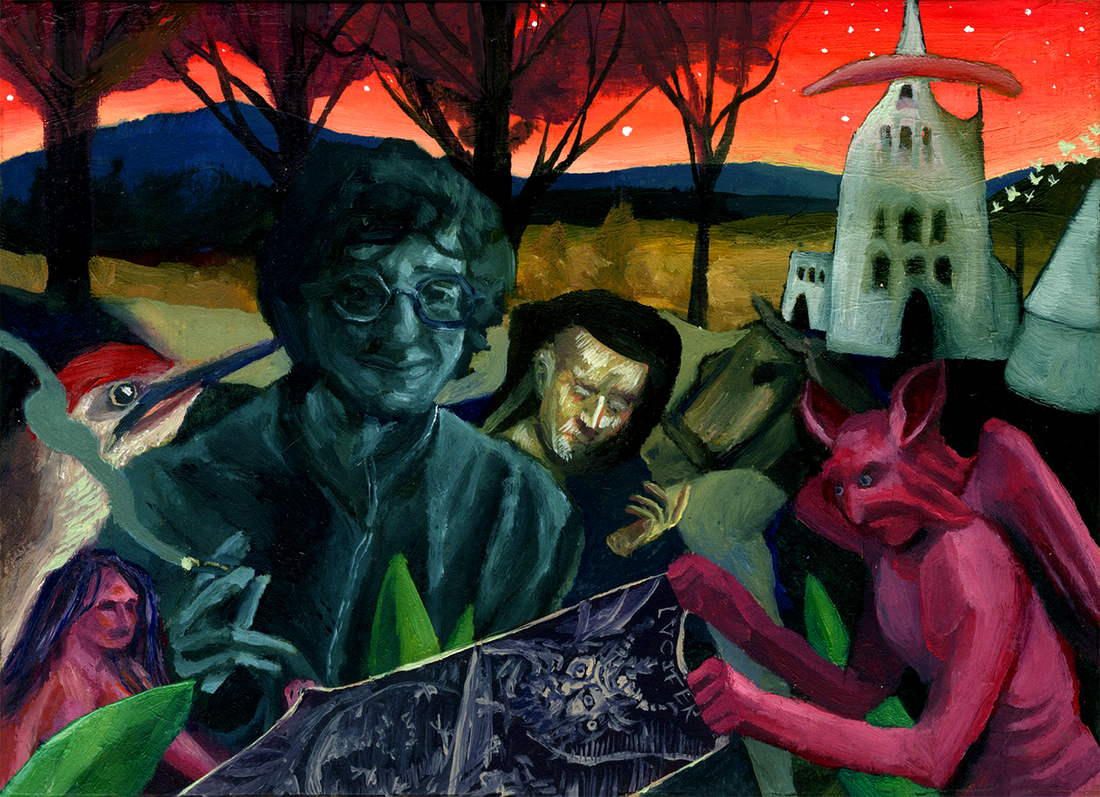
'Midnight Horse story' work
idiomau paintings
Planning work for the large painting
Preliminary paintings for large painting
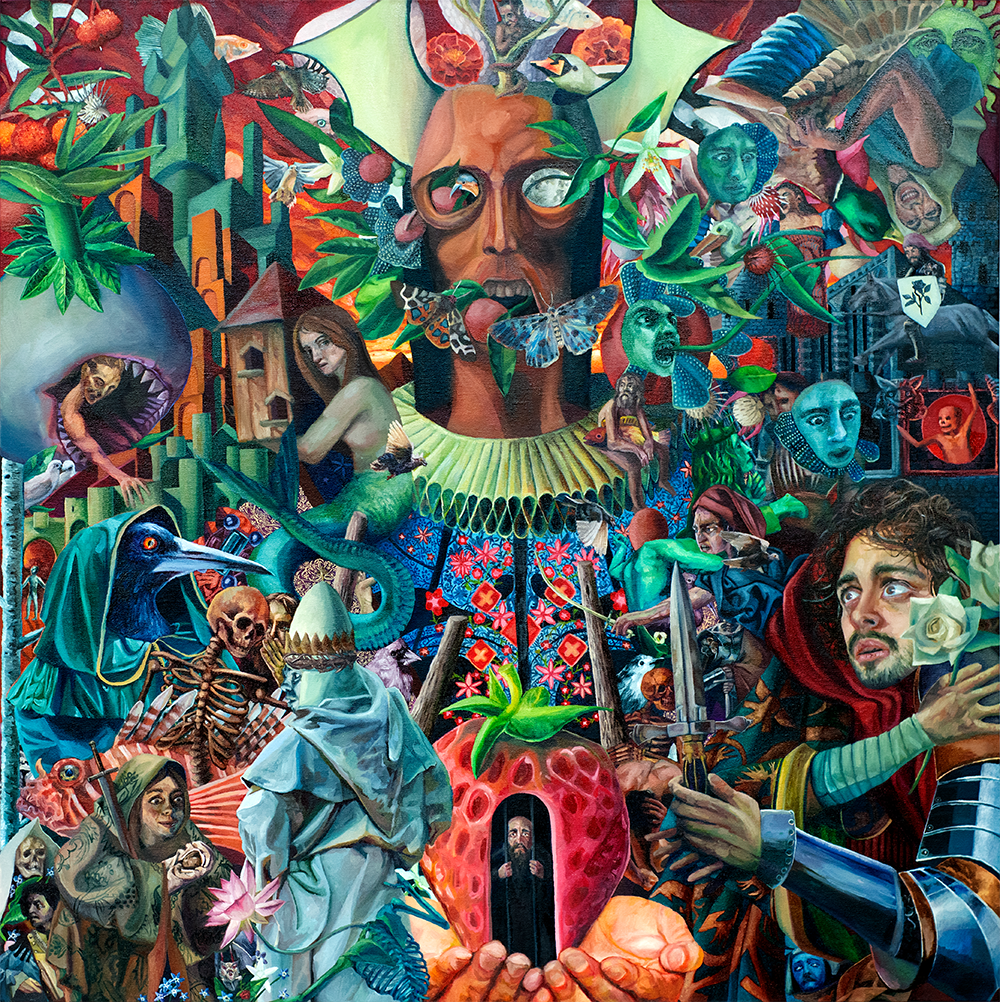
Large painting